Top 2026 Jewelry Box Trends What Will Be Popular Next Year?
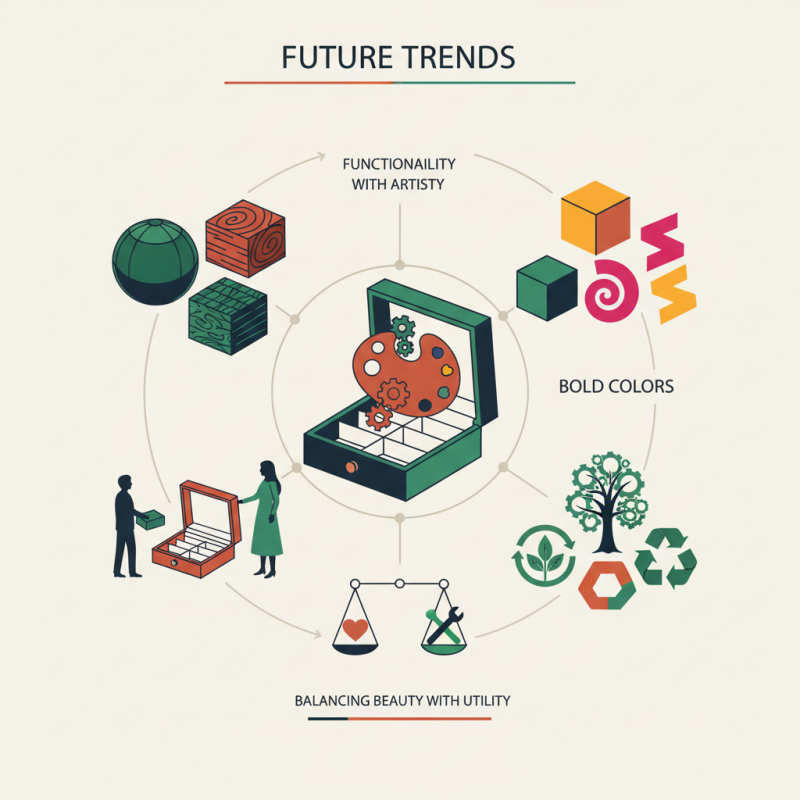
As we approach 2026, the world of jewelry box design is set to evolve in exciting ways. Industry expert, Sarah Timms, states, “Jewelry boxes will blend functionality with artistry like never before.” This trend highlights the growing importance of aesthetics in everyday items.
Expect to see innovative designs that reflect individual styles. Rich textures, bold colors, and eco-friendly materials will dominate the market. Jewelry boxes are no longer just storage; they are personal statements.
However, with these changes come challenges. Not every design will be practical or accessible for all. Consumers may feel overwhelmed by choices. It's essential to reflect on what truly serves them in a jewelry box. Balancing beauty with utility is key.
Emerging Materials in Jewelry Box Design for 2026
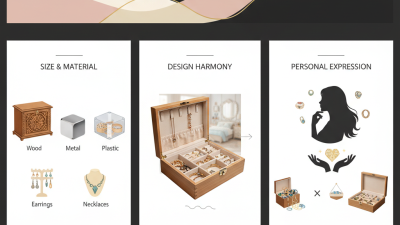
The jewelry box design landscape is evolving. Emerging materials are making waves in 2026. Report data indicates a shift toward sustainable options like bamboo and recycled metals. These eco-friendly materials appeal to conscious consumers seeking unique craftsmanship.
Transparent acrylic is also trending. It's lightweight and offers a modern aesthetic. Experts expect a 25% increase in the demand for such innovative materials. Many buyers want to showcase their jewelry while keeping it secure. Special finishes on acrylic enhance durability and charm.
**Tip:** When creating your jewelry box, consider mixing materials. This can create exciting textures and visual appeal.
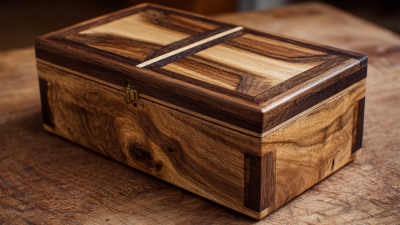
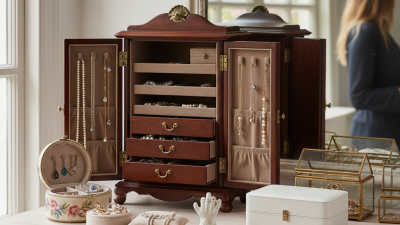
Wooden designs are returning, but with a twist. Designers are incorporating inlays and unique grains. The imperfections in natural wood bring character. They remind us that beauty can lie in flaws, which resonates with many consumers today.
**Tip:** Aim for customization. Personalized touches can elevate any jewelry box. It adds sentimental value, making it a cherished item for years.
Innovative Functional Features in Next Year's Jewelry Boxes
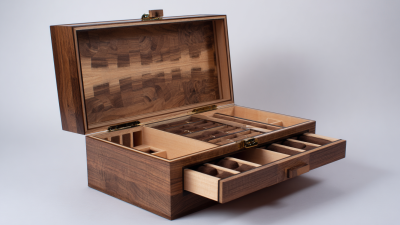
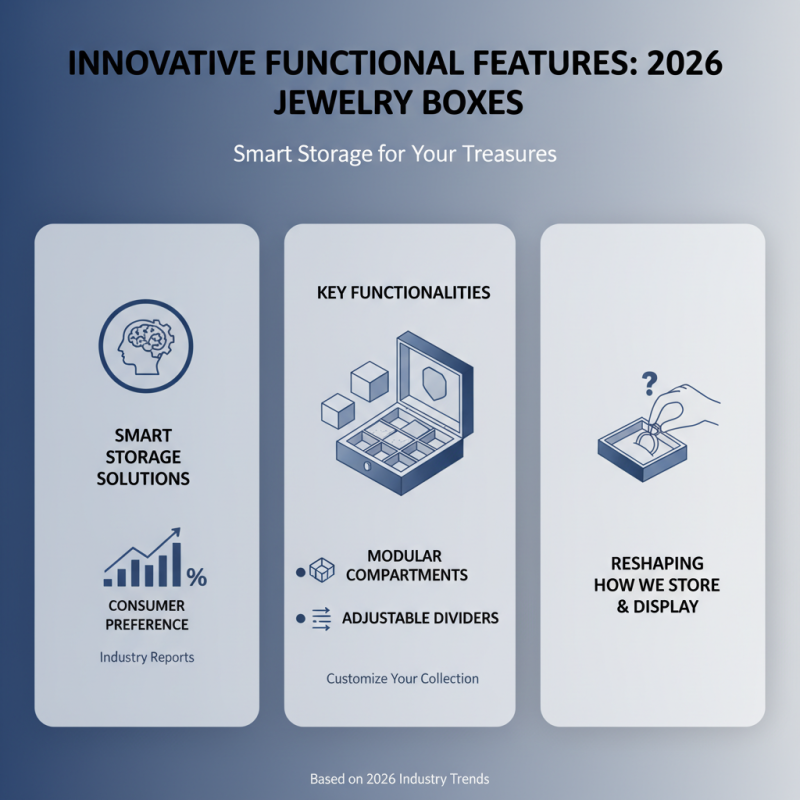
As we look ahead to 2026, innovative and functional features in jewelry boxes are set to reshape how we store and display our treasures. Recent industry reports indicate that over 60% of consumers prefer jewelry boxes that offer smart storage solutions. Key functionalities include modular compartments and adjustable dividers, allowing users to customize their storage according to their collection sizes.
Another notable trend is the incorporation of technology. Many jewelry boxes are now integrating LED lighting for enhanced visibility. This feature not only illuminates the contents but also adds an aesthetic appeal. Approximately 45% of consumers are interested in boxes that come with built-in charging stations for technology accessories, showing a blend of tradition with modern utility.
Despite the advancements, challenges remain. Some designs may prioritize form over function, leading to cluttered compartments. Others might overlook the need for security features. These factors are crucial, as approximately 30% of buyers expressed concerns about theft and damage. Reflecting on these issues is essential for manufacturers aiming to meet consumer expectations in a competitive market.
Color Trends: The Palette for 2026 Jewelry Boxes
As we look ahead to 2026, color trends for jewelry boxes are poised to make a bold statement. Expect to see an array of rich, vibrant tones that reflect individuality and personal style.
Deep emerald greens and royal blues will dominate, evoking a sense of luxury. These colors are perfect for adding a stylish flair to any collection.
Pastel shades are also making a comeback, bringing a soft, calming presence. Think blush pinks and light lavenders. These gentle hues create a serene atmosphere while showcasing delicate jewelry pieces. They appeal to those who appreciate subtlety in design but still want to stand out.
However, it is essential to recognize that these trends may not suit everyone's taste. Some may prefer muted, earthy tones, finding comfort in nature-inspired palettes. The challenge lies in finding balance—a harmonious blend of personal preferences and current trends. Ultimately, the right color can transform a simple jewelry box into a treasured centerpiece.
Artisanal Craftsmanship: Handcrafted Jewelry Boxes on the Rise
Artisanal craftsmanship is making waves in the jewelry box market. Handmade items appeal to many consumers looking for uniqueness. Each handcrafted jewelry box tells a story, showcasing the skill of the artisan behind it. These pieces are not just functional; they are art. The attention to detail is often unmatched compared to mass-produced alternatives. Every curve, every finish, speaks volumes about quality.
If you’re considering a handcrafted jewelry box, think about what you want it to reflect. Do the materials resonate with you? Look for boxes made from sustainable sources, which can enhance their charm. Pay attention to the little details, like the latch or lining. These elements can make a big difference.
When choosing a box, consider your jewelry collection. Will it fit your needs? It’s easy to get swept away by beauty, but functionality matters too. Aim for a box that strikes a balance between aesthetics and practicality. Reflect on how a jewelry box can inspire you to organize and cherish your treasures.
Sustainability in Jewelry Box Production: Eco-Friendly Trends
Sustainability has become crucial in jewelry box production. A recent report highlighted that over 70% of consumers prefer eco-friendly packaging. This shift is reshaping the industry. Brands are using recycled materials and reducing waste in their designs. The focus is now on sourcing sustainable materials. Natural fibers, like bamboo and recycled plastics, are catching attention.
Tips: Consider the environmental impact when choosing a jewelry box. Look for products made from sustainable materials. This contributes to a cleaner planet.
While many brands aim for sustainability, challenges remain. Sourcing high-quality, eco-friendly materials can be difficult. Some manufacturers may greenwash, making false claims about their materials. It’s essential for consumers to do their research. Check for certifications that verify eco-friendly practices.
Tips: Familiarize yourself with eco-labels. They can guide you in selecting genuine sustainable options. Always question the brand's commitment to sustainability.
Top 2026 Jewelry Box Trends: Sustainability in Jewelry Box Production
| Trend Category |
Description |
Eco-Friendly Materials |
Estimated Popularity (%) |
| Recycled Materials |
Use of recycled metals and woods for production. |
Recycled Silver, Reclaimed Wood |
75% |
| Minimalist Design |
Simplistic and functional designs with less material use. |
Bamboo, Organic Cotton |
60% |
| Biodegradable Packaging |
Packaging that decomposes naturally over time. |
Plant-Based Plastics, Recycled Paper |
80% |
| Artisanal Craftsmanship |
Support for local artisans making handcrafted boxes. |
Natural Dyes, Upcycled Materials |
50% |
| Smart Jewelry Boxes |
Integration of technology for organizing and security. |
Sustainable Electronics, Low-Impact Plastics |
45% |