2026 Top Watch Case Trends What to Look For?
The watch industry is evolving rapidly. In 2026, watch cases will reflect this shift. A recent industry report shows that 62% of consumers prioritize case durability. This statistic underscores the importance of robust materials and innovative designs.
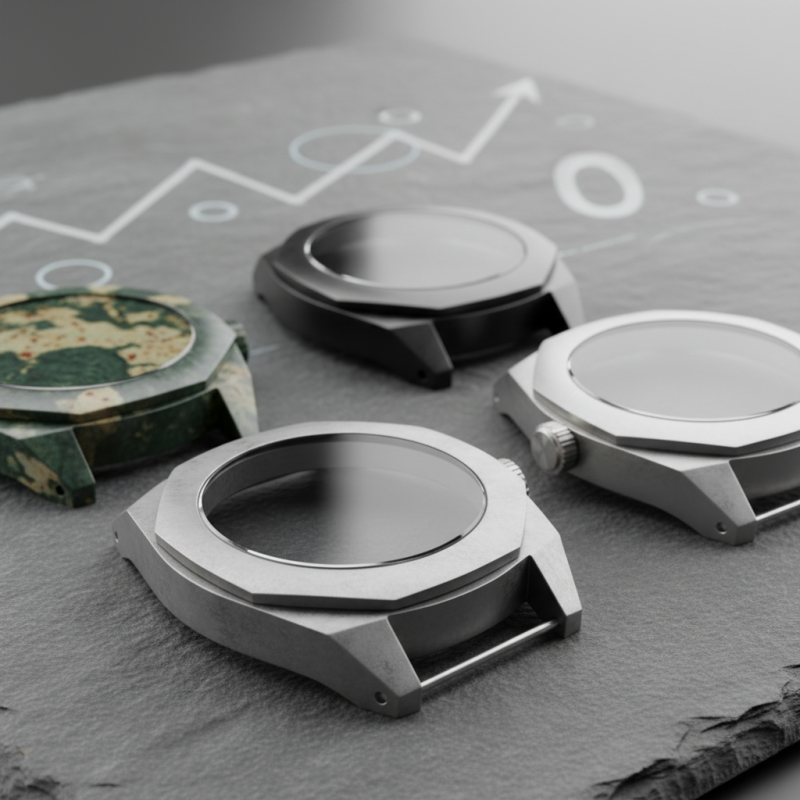
New trends will emerge as brands experiment with different materials. Stainless steel, titanium, and ceramic are becoming more popular. Additionally, eco-friendly materials may influence watch case production. This shift reflects growing consumer awareness about sustainability. However, the industry must tackle challenges in sourcing these materials responsibly.
As we move towards 2026, style and functionality must coexist. Some brands might struggle to balance aesthetics and durability. An appealing design without strength may disappoint collectors. Ultimately, understanding the upcoming watch case trends is crucial for both brands and consumers alike. Being informed can make a significant difference in purchasing decisions.
2026 Watch Case Material Innovations: Exploring Trends in Durability and Weight
The watch case is evolving. In 2026, we expect to see exciting innovations in materials. Manufacturers are focusing on
durability and
weight reduction. This shift is crucial for creating watches that stand up to daily wear while remaining comfortable.
One trend is the use of advanced composites. These materials can provide strength similar to metals but are significantly lighter. The integration of these composites can lead to more ergonomic designs. Users will likely appreciate the reduction in bulk, especially for larger watches. However, questions remain about
long-term durability and scratch resistance.
Additionally, recycled materials are gaining traction. Eco-friendly practices are becoming a focal point in design. By incorporating recycled materials, brands can reduce environmental impact. Yet, there might be concerns about the quality and longevity of these cases. Balancing sustainability with performance is a challenge that needs careful consideration.
Design Aesthetics: Analyzing Color Palettes and Finishes in Watch Cases
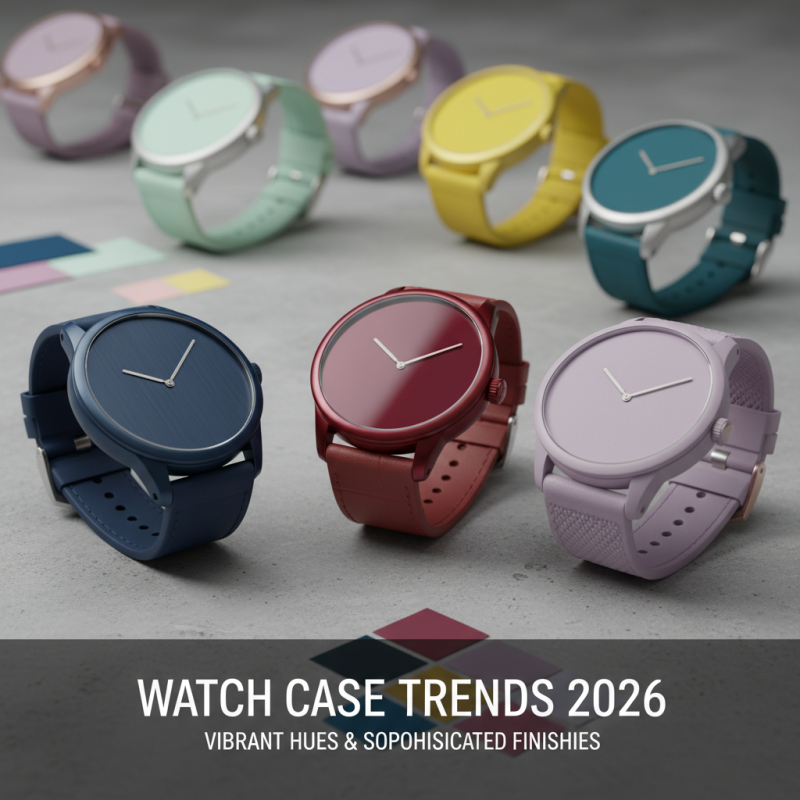
As we look ahead to watch case trends in 2026, color palettes and finishes take center stage. Vibrant hues are emerging this year. Bold colors like deep navy, rich burgundy, and even unexpected pastels are gaining traction. These shades offer a fresh twist, contrasting with traditional metallic tones. Yet, balancing vibrancy with sophistication poses a challenge. Consumers often hesitate. Do bright colors lose timeless appeal?
Finishes also play a crucial role. Polished surfaces offer an elegant touch. However, matte finishes are becoming popular as well. They provide a modern yet understated appeal. A prominent finish this year is brushed textures. They are intriguing but can sometimes obscure design details. Additionally, eco-friendly materials are on the rise. They resonate with environmentally conscious buyers but may not always deliver the same luxurious feel.
Ultimately, the harmony of colors and finishes in watch cases is a delicate dance. The choices are vast, and preferences vary greatly. An ideal case should speak to both personal style and functionality. Striking that perfect balance is an ongoing debate among designers and consumers alike.
The Rise of Sustainable Materials: Eco-Friendly Options for Future Watch Cases
The watch industry is shifting towards sustainable materials. This trend reflects a growing consumer demand for eco-friendly options. According to a recent report, around 55% of consumers prefer brands that focus on sustainability. This statistic underscores the importance of embracing sustainable practices.
Natural materials, such as recycled metals and biodegradable plastics, are gaining traction. These materials not only reduce environmental impact but also add a unique aesthetic to watch cases. For instance, recycled aluminum can create lightweight and durable cases. Similarly, bio-based plastics offer versatility and a lower carbon footprint. The overall sustainability of the product resonates with environmentally conscious buyers.
However, it’s crucial to consider the challenges ahead. Sourcing sustainable materials can be more costly. This may lead to higher prices for consumers. Furthermore, the durability of eco-friendly materials compared to traditional options is often debated. Striking a balance between style, price, and sustainability remains a significant challenge for the industry. As consumer expectations evolve, so must the strategies in producing watch cases.
Smartwatch Case Design Trends: Balancing Functionality and Style in 2026
In 2026, smartwatch case designs are evolving with a sharp focus on blending functionality and style. Reports indicate that 70% of consumers prioritize comfort in wearable technology. As a result, brands are investing in ergonomic shapes and lightweight materials. This shift is vital in catering to users seeking versatile options that fit seamlessly into daily life.
Design trends spotlight modular components. Users appreciate customizable cases that allow them to tailor their devices to their lifestyles. Data suggests that 40% of consumers are interested in interchangeable straps and faceplates. However, the challenge lies in ensuring durability. Many designs fall short in this area. Though they may look appealing, they often fail to withstand daily wear and tear.
A significant trend is sustainability. The industry is recognizing the demand for eco-friendly materials. Presently, about 60% of consumers express concern about the environmental impact of tech products. There’s a need for improvement in sourcing materials responsibly. Smartwatch case designers must prioritize this aspect while maintaining aesthetic appeal. Striking this balance is not an easy task, but it is crucial for future success.
Customization in Watch Cases: Consumer Preferences Shaping the Industry
The watch industry is shifting towards greater customization in watch cases. Recent reports show that approximately 65% of consumers prefer unique designs. They want something that reflects their personality and style. This trend is reshaping how manufacturers approach product development.
Many companies are exploring materials like ceramic and titanium. These materials offer both durability and aesthetic appeal. However, the challenge lies in balancing customization with production costs. A report highlighted that 70% of manufacturers struggle with pricing for personalized options. This indicates a gap in consumer expectations and industry capabilities.
Another emerging desire among consumers is eco-friendliness. Reports reveal that 55% prefer sustainable materials in products. The industry must adapt to these preferences or risk losing market share. Customization can meet this demand, but it complicates the supply chain. Striking this balance requires creative solutions and careful planning.
2026 Top Watch Case Trends: Customization Preferences