Leave Your Message

10 Gift Box Tips for Global Buyers

A Gift Box can look beautiful in a sample and still disappoint when thousands arrive. For global buyers, the difference often lies in details: board thickness, insert fit, color consistency, and how the box survives a long journey. Product-design expert Steve Jobs once said, “Packaging can be theater; it can create a story.” That idea matters here. A box protects a product, but it also shapes the first moment a customer sees it.

This guide presents 10 practical tips for evaluating suppliers, comparing materials, checking samples, and planning production across borders. Look closely at the hinge, ribbon, print edges, and inner tray—not just the lid. Ask for clear specifications, written timelines, and quality checks before approving a large order. Confirm that material and labeling choices suit your destination markets with qualified local advisers; requirements can vary. Small checks help.

No checklist catches every surprise. A sample may feel sturdy on a desk yet arrive scuffed after transit, and I would not treat one approved prototype as proof of consistent production. Recheck critical details at each stage. The goal is not a flawless box at any cost. It is a dependable Gift Box that fits the product, budget, brand, and buyer’s real-world shipping needs.

10 Gift Box Tips for Global Buyers

Understanding Gift Box Types and Their Intended Uses

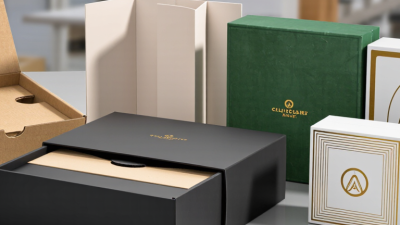
Gift boxes serve different purposes, so choose the format around the item and how it will travel. Folding cartons are lightweight and suit small products, event favors, or retail shelves. Rigid boxes have firm walls and work well for keepsakes, fragile accessories, or presentation gifts. They feel substantial, but add weight and take up more storage space. Mailer boxes provide more protection during parcel delivery, especially when paired with a snug insert. A gift bag is convenient for hand delivery, though it offers less protection from pressure or rain.

Consider the recipient’s experience, too. A box that opens easily can make a gift feel thoughtful; tight-fitting lids may frustrate someone with limited hand strength. Inserts should hold items steady without forcing them into place. For shipments across borders, check the packed dimensions and cushioning needs with your logistics provider. A beautiful box can become costly if it is oversized or poorly protected. I have seen presentation take priority over practicality—and that choice is not always worth it.

Tips: Match the box to the gift’s weight and fragility. Measure the item with its insert, not alone. Test one packed sample before ordering a large run. Check that labels remain visible, and that the box still closes after cushioning is added. Small details matter.
Choosing Materials, Sizes, and Designs for Your Market

10 Gift Box Tips for Global Buyers
Choosing Materials, Sizes, and Designs for Your Market

Choose materials for the product, shipping route, and local disposal options. A rigid board box protects glassware, but adds weight and storage volume. Corrugated inserts can reduce movement without filling every gap. The US EPA’s 2018 data estimated that containers and packaging made up 28.1% of municipal solid waste. It is a US figure, not a global benchmark, but it shows why material choices matter. Ask suppliers for material specifications and test boxes with the actual product inside.

Sizing should follow the item, not a standard catalogue. Leave enough room for cushioning, but avoid oversized cartons that raise freight costs. Measure the packed product, including tissue, handles, and any inner tray. Then test a small shipment. A neat sample can still disappoint after rough handling. Small details matter.

Design for the market’s shopping habits and gifting customs. McKinsey’s 2020 survey across six countries found that more than 60% of respondents were willing to pay more for sustainable packaging. That preference is useful, but it does not guarantee a purchase. Use clear material labels and restrained graphics, and check translations with local reviewers. Test color, opening style, and print finish with real buyers. Revise what feels confusing.

Gift Box Size Planning: Example Internal Dimensions

Compare length, width, and height when selecting a box format. These are illustrative design specifications, not market averages. Measure the packed product, allow suitable clearance for protective inserts, and check shipping constraints and local packaging requirements before production.

Checking Supplier Quality, Customization, and Minimum Orders

A gift box can look polished in a digital mockup and arrive with weak corners or uneven color. Ask suppliers for photos of finished boxes, not only computer renderings. Request a sample made with the same board, finish, and printing method planned for production. Small flaws matter.

For customization, share the box dimensions, product weight, artwork files, and preferred materials. Ask which details affect price or production time, such as foil stamping, inserts, or special coatings. Confirm how colors will be approved; a screen preview may not match printed ink. Keep the final specifications in writing, including tolerances for size and color. One common oversight is changing artwork after sample approval, which can create extra fees or delays.

Minimum order quantities vary with materials, printing setup, and box construction. Ask for pricing at several quantities, along with setup costs, sample fees, and shipping estimates. A low minimum may cost more per box, while a large order can leave you storing unused packaging. Compare the full landed cost, not just the unit price. It is tempting to choose the cheapest quote, but vague answers about defects or replacement terms deserve careful follow-up.

10 Gift Box Tips for Global Buyers - Checking Supplier Quality, Customization, and Minimum Orders

Tip Supplier Quality Check Customization Questions Minimum Order and Cost Check Buyer Action
01 Ask for recent photos or samples showing the box’s construction, edges, joints, and interior finish. Confirm the box style, opening method, insert, and finish before requesting artwork. Ask whether sample charges, tooling, or setup costs are separate from the production order. Approve a physical pre-production sample and keep it as the reference for the order.
02 Request the material description, including paper or board type, thickness, and any coating or lining. Confirm available paper colors, textures, coatings, and interior materials. Check whether choosing a non-stock material changes the MOQ, unit price, or lead time. Include the agreed material details in the written specification.
03 Review a printed sample for alignment, legibility, finish consistency, and visible defects. Ask which printing methods and finishing options are available, such as foil stamping, embossing, or spot coating. Find out whether each added print color or finishing process has a separate setup charge or minimum. Approve artwork proofs and define acceptable color references before production.
04 Check that the supplier can make the box to the required internal dimensions, not just the external dimensions. Provide the product’s length, width, height, and any clearance needed for an insert or wrapping. Ask whether a custom size requires a new cutting die or other tooling, and who pays for it. Test the sample with the actual product and packaging components.
05 Inspect the fit and finish of trays, dividers, and inserts, especially where the product could move or rub. Confirm insert material, layout, color, and whether separate compartments are needed. Ask if the box and insert share one MOQ or have separate material and order minimums. Request a sample with the complete insert and product arrangement.
06 Ask how the supplier checks dimensions, print placement, assembly, and finished appearance during production. Agree which features are critical, including lid fit, closure, handle placement, or ribbon length. Confirm whether inspection arrangements or replacements for agreed defects affect the order cost. Write measurable acceptance criteria into the purchase specification.
07 Request material and safety documentation relevant to the intended product, destination, and packaging use. Check whether inks, coatings, or materials can meet any applicable market or customer requirements. Ask whether testing or documentation fees are additional and who arranges them. Verify requirements for the destination market; do not assume one certificate applies everywhere.
08 Review how the supplier protects finished boxes from moisture, crushing, and abrasion during packing. Confirm individual wrapping, protective corners, or other packing options for delicate finishes. Ask whether export cartons, protective packing, and palletization are included in the quotation. Request carton dimensions, gross weight, and packing details before arranging freight.
09 Ask for a production schedule that separates sampling, production, quality checks, and dispatch. Confirm whether artwork revisions or sample approval affect the production start date. Compare MOQ and unit price at several order quantities; minimums vary by supplier, material, and process. Get the MOQ, price breaks, payment terms, and lead time in writing before placing the order.
10 Confirm how production issues are documented and how claims are handled if delivered goods differ from the approved sample. Make sure the final artwork, colors, dimensions, materials, and finishes match the approved version. Clarify whether split shipments, repeat orders, or small replenishment quantities have different minimums or charges. Retain the approved sample, specification, inspection records, and written order terms.

Note: Minimum order quantities, prices, and lead times depend on the supplier, box structure, materials, customization, and destination. Confirm current terms directly in a written quotation.

Comparing Pricing, Samples, and Production Timelines

A low gift box price can hide setup fees, printing charges, or costly freight. Ask suppliers to itemize materials, tooling, packing, and delivery separately. Compare quotes using the same box size and paper weight. Otherwise, the cheapest option may not be comparable. Details matter. A sturdy box with a magnetic closure will usually cost more than a simple folding carton.

Samples help reveal what a quote cannot. Request one made with the intended paper, finish, and insert. Check whether the lid closes evenly and whether the product fits without shifting. Photograph the sample beside a ruler, and record any changes you want. A digital mock-up is useful, but it cannot show texture or board stiffness. It is easy to assume a sample reflects final production; confirm that specifications will stay consistent.

Production timelines should include proof approval, sample revisions, manufacturing, and shipping—not just factory days. Ask when the clock starts and what could delay dispatch. For example, a late artwork approval can push a scheduled production slot by several days. Leave room for inspection and transit, especially before a seasonal launch. I would not treat a promised date as certain; plans change, and freight estimates can move. Request milestone dates in writing and check for updates during production.

Planning Packaging Compliance, Shipping, and Delivery Across Borders

A gift box can look perfect on a desk and still arrive crushed, damp, or held for inspection. Build compliance into the design, not just the shipping paperwork. Confirm material descriptions, country-of-origin details, dimensions, and declared values with your freight provider before production. Check destination-market rules for packaging materials and producer-responsibility duties; requirements can differ even between nearby markets. Keep supplier specifications and test records together. A tidy file helps.

Shipping choices affect the box itself. UNCTAD’s Review of Maritime Transport 2024 reports that over 80% of world trade by volume moves by sea, so long transit times and handling deserve attention. Use a sample shipment to test corner protection, closures, and moisture resistance. Measure the packed box, not only the empty one: small changes can affect chargeable volume. The OECD’s Global Plastics Outlook (2022) found that only 9% of plastic waste was recycled globally in 2019. That figure is not specific to gift packaging, but it is a useful prompt to review material choices and local recycling guidance. A beautiful insert may be hard to separate or recycle. We should admit that packaging decisions often involve trade-offs. Leave room for them.