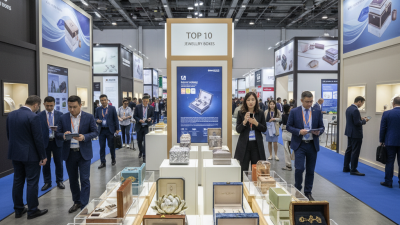
Choosing the right Jewellery Box For Ladies manufacturer requires more than comparing attractive product photos. Buyers must examine materials, craftsmanship, storage design, customization, packaging, and quality-control procedures. A velvet-lined box may look elegant, yet weak hinges or uneven stitching can reduce its practical value.
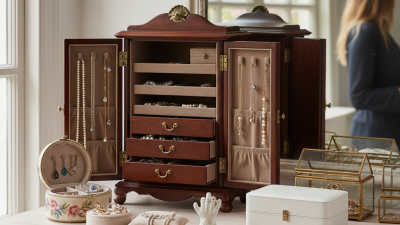
Marie Kondo, a renowned organizing consultant, says, “The aim of storage is to give every item a home.” That principle matters here. A well-designed jewellery box should protect rings, earrings, necklaces, and bracelets while keeping them easy to find. Compartments should feel intentional. Drawers should slide smoothly. Necklace hooks should prevent tangling.
This guide introduces China’s top ten Jewellery Box For Ladies manufacturers through practical industry criteria. These include manufacturing experience, material transparency, production capacity, export service, customization options, and customer feedback. Details such as leather grain, flocking softness, magnet strength, and corner finishing can reveal meaningful differences between suppliers.
Small details matter.
The list is not a permanent verdict. Supplier performance can change with management, materials, and order volume. Some manufacturers may excel at luxury packaging but perform less consistently on mass production. Others may offer reliable factory support without impressive online presentation. That contrast deserves careful attention.
Readers should request samples, verify certifications, confirm lead times, and inspect packaging before placing large orders. Factory claims require evidence. A polished showroom is helpful, but it is not proof of consistent quality. This introduction therefore treats each manufacturer as a sourcing option requiring independent review, not as an unquestionable recommendation.
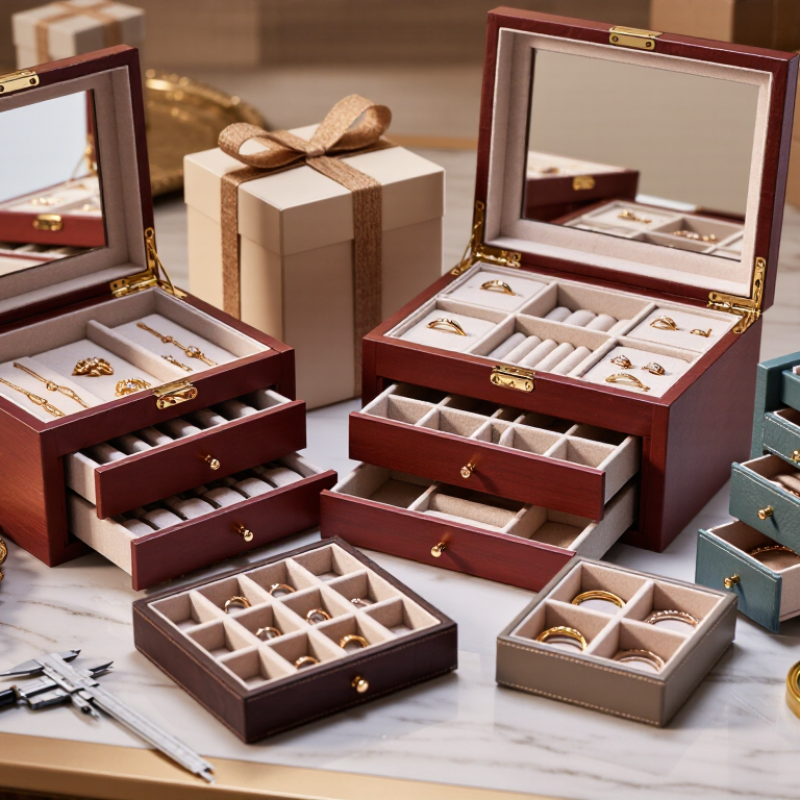
China Top 10 Jewellery Box For Ladies Manufacturers
China’s gold jewellery consumption reached 706.48 tonnes in 2023, according to the China Gold Association. This figure shows strong demand for valuable pieces and suitable storage. Jewellery boxes are no longer simple decorative items. They protect rings, necklaces, bracelets, and small gold ornaments from scratches, dust, and tangled chains.
When evaluating Chinese jewellery box manufacturers, buyers should inspect materials, structure, and production controls. A reliable supplier can explain the use of wood, leather, fabric, glass, metal fittings, and protective linings. The interior should feel smooth, with firm dividers and secure hinges. Sharp edges are unacceptable. Sample testing matters more than attractive catalogue images.
Details reveal quality.
Manufacturers serving the gold jewellery market should provide clear dimensions, packaging information, and inspection records. They should also discuss moisture protection during storage and transport. Custom colours and compartments may improve usability, especially for ladies with different jewellery collections. However, custom work can increase costs and lead times. This point is often underestimated.
A responsible sourcing process includes checking factory communication, sample consistency, and documented quality procedures. Some suppliers still describe products too generally. That is a warning sign, not automatic proof of poor quality. Buyers should ask specific questions and request corrections in writing. The 2023 consumption data reflects market strength, but it does not guarantee every jewellery box meets professional standards. Careful verification remains necessary.
In 2023, China’s total gold consumption reached 1,089.69 tonnes. Gold jewellery accounted for 706.48 tonnes, representing the largest use category, followed by gold bars and coins at 299.60 tonnes and industrial and other uses at 83.61 tonnes. Source: China Gold Association (CGA).
Capacity is assessed through monthly output, equipment, labor stability, and quality-control records. A supplier producing 100,000 boxes monthly may handle seasonal orders more safely than a workshop producing 20,000. However, large capacity can reduce customization attention. We check sample consistency, lining alignment, hinge strength, and surface finishing. Small details matter.
Lead time covers sampling, material preparation, production, inspection, and packing. Strong manufacturers usually provide realistic schedules instead of attractive promises. Standard orders may require 20 to 35 days after approval, while custom moulds or special fabrics can add two weeks. These figures are working benchmarks, not guarantees. Material shortages and holiday closures still create delays. We have also found that some capacity claims are difficult to verify without production records, so the ranking should be reviewed when new evidence appears.
When comparing China’s top jewellery box manufacturers, material standards deserve close attention. FSC-certified paper supports responsible forestry and offers a clean, premium surface. Recycled fibres can reduce virgin material use, but their texture may vary between production batches. Ask for test samples before approving large orders.
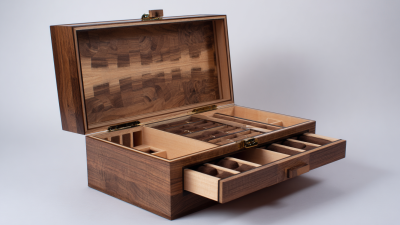
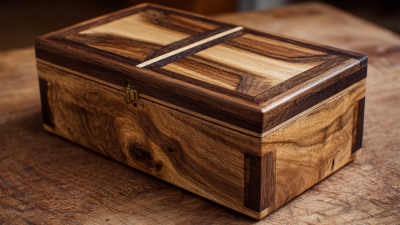
Wooden boxes need controlled moisture levels, smooth edges, and stable hinges. Poorly dried wood can warp after shipping. Leather adds a refined touch, yet buyers should check its thickness, grain consistency, and responsible sourcing records. Velvet should feel dense and soft, without loose threads or strong chemical odours. These details show practical manufacturing experience, not only attractive product photography. A perfect material list is not enough.
Tips: Request material certificates, sample photos, and a physical prototype. Compare colour under daylight. Check the lining around corners. Confirm whether recycled fibres contain mixed materials. It is easy to overlook packaging waste during quality checks. That deserves reflection. A beautiful jewellery box may still have an unnecessary plastic layer or difficult-to-recycle insert. Reliable manufacturers should explain their material origins, production controls, and inspection process clearly. Safety, durability, and honest documentation matter as much as appearance.
China’s top ten jewellery box manufacturers reflect a broad manufacturing base, from compact workshops to export-focused factories. Their profiles often include wooden, paper, leatherette, acrylic, and metal-lined boxes. Some specialise in handmade details, while others depend on automated cutting and assembly. Core capabilities may include custom sizing, logo application, foam inserts, colour matching, and retail-ready packaging.
Reliable manufacturers should provide material samples, production photos, and clear inspection records. Ask about moisture resistance, hinge durability, lining adhesion, and edge finishing. A good supplier can explain lead times and minimum order quantities without vague promises. However, catalog images can hide small defects. I would always inspect a physical sample before approving bulk production.
Tips: Compare at least three samples under natural light. Check whether rings remain upright inside the insert. Rub the lining gently; loose fibres suggest weak finishing. Confirm carton strength for long-distance shipping. Discuss revisions in writing, because a small size change can affect the entire insert. Some attractive prototypes still fail during packing tests. That weakness deserves attention, not excuses.
Representative, non-company-specific manufacturing profiles based on common capabilities in China's jewellery packaging industry.
| Profile | Primary Product Focus | Common Materials | Core Manufacturing Capabilities | Customization Options | Typical MOQ Range | Typical Production Lead Time | Suitable Buyer Type |
|---|---|---|---|---|---|---|---|
| Profile 1 | Rigid jewellery gift boxes | Paperboard, greyboard, velvet, satin, microfiber | Rigid-box forming, paper wrapping, insert assembly, quality inspection | Size, color, lining, logo printing, foil stamping, embossing, magnetic closure | 500–1,000 units | 25–40 days after sample approval | Jewellery retailers and private-label brands |
| Profile 2 | Velvet and fabric-covered jewellery cases | Velvet, linen, cotton, faux leather, sponge, plastic trays | Fabric cutting, heat bonding, hand sewing, padded insert production | Fabric selection, compartment layout, ribbon, printing, decorative stitching | 300–800 units | 20–35 days after confirmation | Fashion jewellery sellers and gift companies |
| Profile 3 | Wooden jewellery boxes | MDF, plywood, bamboo, natural wood veneer, velvet | CNC cutting, sanding, painting, veneer application, hinge installation | Wood finish, engraving, compartments, hardware, interior lining | 200–500 units | 30–50 days after sample approval | Premium gift and lifestyle product distributors |
| Profile 4 | Leatherette jewellery boxes | PU leather, PVC, MDF, metal fittings, microfiber | PU cutting, surface wrapping, edge finishing, metal fitting assembly | Texture, color, stitching, logo debossing, metal plate, lock style | 500–1,000 units | 25–45 days after final artwork | Mid-range jewellery and watch accessory sellers |
| Profile 5 | Travel jewellery organizers | Polyester, nylon, PU, EVA, mesh, metal zippers | Textile cutting, zipper sewing, molded insert integration, final assembly | Pocket layout, zipper color, printed pattern, hanging loop, logo label | 1,000–3,000 units | 20–35 days after sample approval | Travel accessory and online retail businesses |
| Profile 6 | Plastic and acrylic jewellery display boxes | ABS, acrylic, PET, PP, silicone, flocked fabric | Injection molding, acrylic fabrication, polishing, assembly, insert fitting | Transparent panels, molded colors, printed graphics, tray configuration | 1,000–5,000 units | 30–60 days including tooling | Retail displays and high-volume promotional programs |
| Profile 7 | Sustainable paper jewellery packaging | Recycled paperboard, kraft paper, molded pulp, cotton paper | Die cutting, folding, paper forming, water-based printing, insert production | Paper weight, structure, soy or water-based inks, recycled inserts, sleeve design | 1,000–3,000 units | 20–40 days after artwork approval | Eco-conscious retailers and subscription businesses |
| Profile 8 | Luxury presentation and drawer boxes | Rigid board, velvet, suede, acrylic, ribbon, metal fittings | Multi-part rigid construction, drawer assembly, premium finishing, hand inspection | Drawer structure, ribbon pull, metallic effects, embossing, custom inserts | 300–1,000 units | 35–55 days after prototype approval | Premium gifting and high-value product launches |
| Profile 9 | Compact ring, earring and pendant boxes | Paperboard, PU, velvet, flocking, EVA, satin | Small-format die cutting, insert molding, lining, folding and assembly | Ring slots, earring cards, pendant hooks, color matching, logo application | 1,000–5,000 units | 15–30 days after artwork approval | Independent jewellers and online boutiques |
| Profile 10 | Multi-piece jewellery storage cases | MDF, ABS, PU, glass, metal hardware, velvet and microfiber | Large-case fabrication, compartment engineering, hardware installation, packaging | Mirror, drawers, removable trays, locks, handles, custom interior layouts | 200–800 units | 35–60 days after engineering confirmation | Home storage, gifting and department-store programs |
Note: MOQ and lead-time figures are typical indicative ranges for comparable product categories. Actual requirements vary according to materials, tooling, order quantity, testing, packaging and customization complexity.
Comparing ten Chinese jewellery box manufacturers requires more than reviewing product photos. In sourcing projects, I inspect sample stitching, hinge strength, lining edges, odor, and packaging protection. Small flaws often appear after repeated opening. Details matter. Customization usually includes dimensions, velvet or linen lining, logo placement, color, inserts, and gift packaging. Some suppliers accept low-volume trial orders, while larger designs may require 500 to 1,000 units.
Certifications deserve careful checking. ISO 9001 can indicate documented quality procedures, but it does not guarantee every box is perfect. For wooden or paper components, buyers should request material declarations and applicable FSC documentation. Export experience also matters. Suppliers serving Europe, North America, Australia, and Southeast Asia may understand labeling, carton marks, and shipping paperwork better. However, export claims should be verified through references or recent documents.
Pricing changes with materials, hardware, printing, and order quantity. A basic fabric-covered box may cost about US$1.20 to US$4.00, while rigid luxury packaging can exceed US$8.00 per unit. These figures are only working estimates. Prices move. I would compare quotations using identical specifications, not attractive headline prices. Ask about sampling fees, tooling, inspection, replacement policies, and production lead times. My own review would still leave room for doubt: a polished sample may not represent full-batch consistency, and supplier communication can weaken during peak seasons. Supplier comparison needs evidence, patience, and a documented approval process.