Top Tips for Choosing the Perfect Wrist Watch Case?
Choosing the perfect wrist watch case requires careful consideration. A wrist watch case is more than just a protective cover; it defines style and function. The right case enhances both the watch's aesthetic appeal and its practical value.
When selecting a wrist watch case, evaluate materials carefully. Stainless steel, titanium, or even ceramic can significantly influence durability and weight. Each material offers distinct advantages and limitations, making your choice critical. Pay attention to the case size, as it should balance with your wrist's dimensions. A mismatched case can look awkward.
The design aspect cannot be ignored. Classic designs offer timeless elegance, while modern styles provide a bold statement. You may find yourself drawn to specific aesthetics, but ensure they align with your lifestyle. Reflect on how you plan to use your watch. An active lifestyle might require a more robust case. Ultimately, the perfect wrist watch case embodies your personal taste, practical needs, and the watch's overall essence.
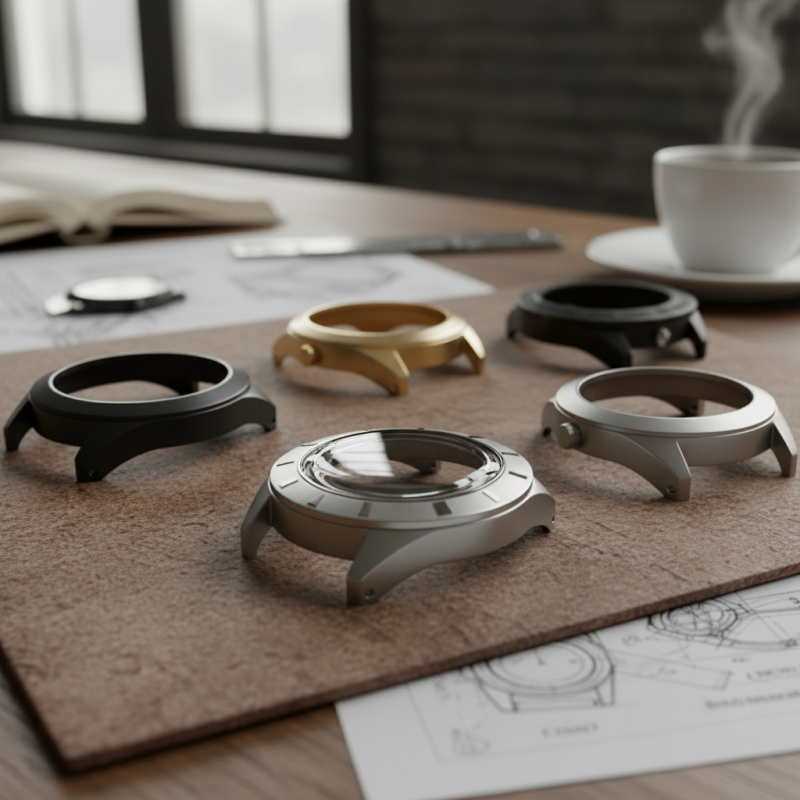
Understanding Different Types of Watch Cases and Their Features
When choosing a wrist watch case, understanding its different types is crucial. Cases can vary widely in materials and designs. Common materials include stainless steel, titanium, and plastic. Each material has its unique benefits. Stainless steel is durable and resistant to scratches. Titanium is lightweight, making it perfect for everyday wear. Plastic, though less durable, can still offer a stylish look at a lower price.
There are also various shapes to consider. Round cases are classic and fit most wrists comfortably. Square or rectangular cases can add a modern touch to your style. Some people prefer oversized cases for a bold statement, while others might lean toward smaller, more discreet designs. Each choice reflects personal style and comfort.
Functionality is essential too. Some cases come with features like water resistance or shockproofing. These attributes enhance the watch's longevity. However, many watches compromise style for functionality, which is worth reflecting on. A beautiful case might not withstand everyday wear and tear. Thus, balancing aesthetic appeal and practical needs is an important step in your selection process.
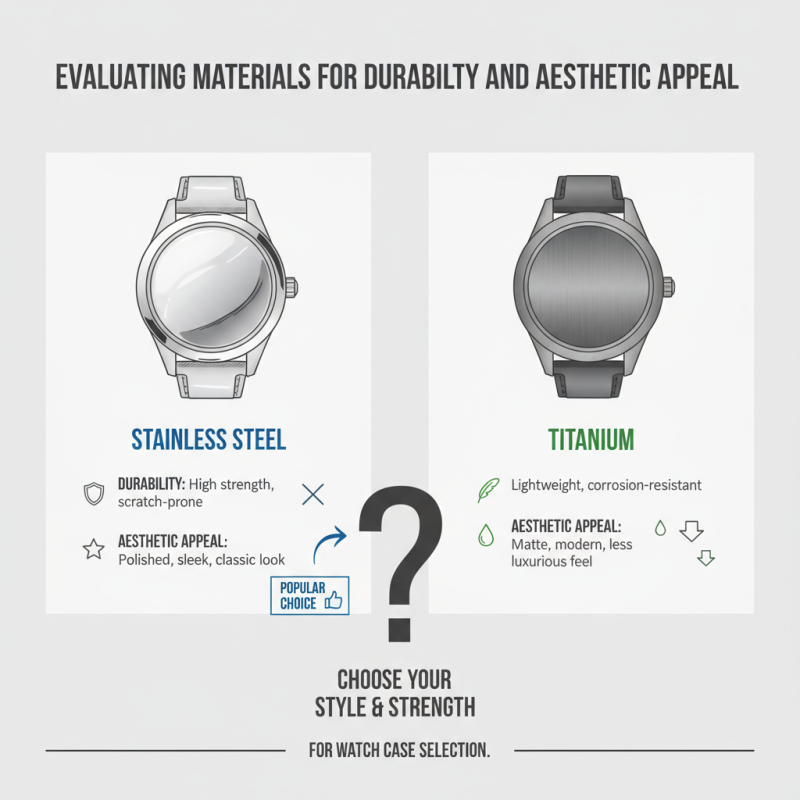
Evaluating Materials for Durability and Aesthetic Appeal
When selecting a wristwatch case, the material plays a crucial role in both durability and aesthetic appeal. Stainless steel is a popular choice, known for its strength. It often features a polished finish, giving it a sleek look. However, it can scratch easily, and that may not appeal to everyone. Consider titanium for a lighter option. It resists corrosion yet can appear less luxurious than steel.
Another interesting material is ceramic. This choice offers vibrant colors and a scratch-resistant surface. However, ceramic can be more fragile compared to metal cases. Some individuals prefer the warmth of gold or rose gold. These metals provide an elegant sheen but can be more prone to wear. Each material has its strengths and weaknesses. Users should reflect on what qualities resonate with their lifestyle.
Sapphire crystal is often used for watch faces due to its hardness. It enhances durability but can come at a higher price point. Mineral glass, while less expensive, can scratch more easily. Finding the right balance between aesthetics and material durability is essential. It’s wise to weigh how often you wear the watch and under what conditions. Your choices should align with both style and practicality.
Assessing Size and Shape for Comfort and Style
When selecting a wristwatch, size and shape are vital for comfort and style. A well-fitted watch enhances your overall appearance. Consider your wrist size. A watch too large can feel cumbersome, while a tiny watch may look out of place. Aim for a balance.
Try different shapes. Round watches offer a classic look. Square and rectangular options can add a modern touch. The lugs, those little protrusions that hold the strap, play a crucial role too. They should sit flush against your wrist.
Comfort is key. An uncomfortable watch can distract you from your day. Pay attention to the weight. A heavier watch may feel more durable but can also be tiring to wear. You can also reflect on how the watch feels during various activities. A watch that hinders movement needs reconsideration.
Choosing the perfect wristwatch case is a blend of size, shape, and personal style. Don't rush this decision. Test different styles to truly understand what feels right for you. A thoughtful selection reflects your unique personality.
Exploring Water Resistance Ratings and Their Importance
When selecting a wristwatch, understanding water resistance is crucial.
It defines how well your watch can withstand moisture, which can ultimately affect its longevity.
Water resistance ratings are expressed in meters or atmospheres.
However, these numbers can be misleading. A watch rated for 100 meters might not be suitable for diving.
Consider the type of activities you'll engage in. If you swim or shower with your watch, a rating of at least 100 meters is advisable.
For recreational diving, look for a watch rated at 200 meters or more.
Ensure your watch has a proper seal and consider the crown's design, too.
A screw-down crown adds an extra layer of protection against water.
Tip: Always check the manufacturer's specifications for real-world scenarios.
Water resistance can diminish over time, especially with age or after battery changes.
Regular maintenance can help retain your watch's protective capabilities.
Remember, it's better to be cautious than to risk damaging your valuable timepiece.
Considering Brand Reputation and Warranty Services
When selecting a wristwatch, brand reputation plays a vital role in your decision. A well-regarded brand signifies quality and a commitment to craftsmanship. Often, these brands have established trust over decades. They value their image and strive to deliver superior products. This reputation is built on consistent performance and customer satisfaction. Investing in such a brand can enhance your confidence in the watch's longevity.
Warranty services are equally important. A solid warranty reflects the manufacturer’s assurance about their product. It covers potential defects and issues that may arise after purchase. Some brands offer extensive warranties, while others are more limited. Look for a warranty that lasts at least two years. This provides peace of mind. It's important to read the warranty terms carefully. Some may have hidden clauses that could affect your coverage. Reflect on this aspect before making your final choice.
Understanding both brand reputation and warranty services helps create a well-rounded perspective. Balancing these factors ensures that your wristwatch not only looks good but also performs reliably over time. Take the time to evaluate different options before deciding. Your wristwatch is an investment; it deserves careful consideration.