Top 10 Woodworking Jewelry Box Designs You Need to Know?
Creating a woodworking jewelry box can be a rewarding experience. These boxes are not just functional; they are elegant pieces of art. The beauty of woodworking lies in its variety. Different designs can reflect personal style and taste.
Consider the intricate details in a handcrafted box. Areas like the joinery and finish can make a big difference. Choosing the right wood affects not only appearance but also durability. Mistakes can happen during the process. Perhaps a cut isn’t perfectly straight, or the finish isn’t smooth. Reflecting on these imperfections can lead to growth.
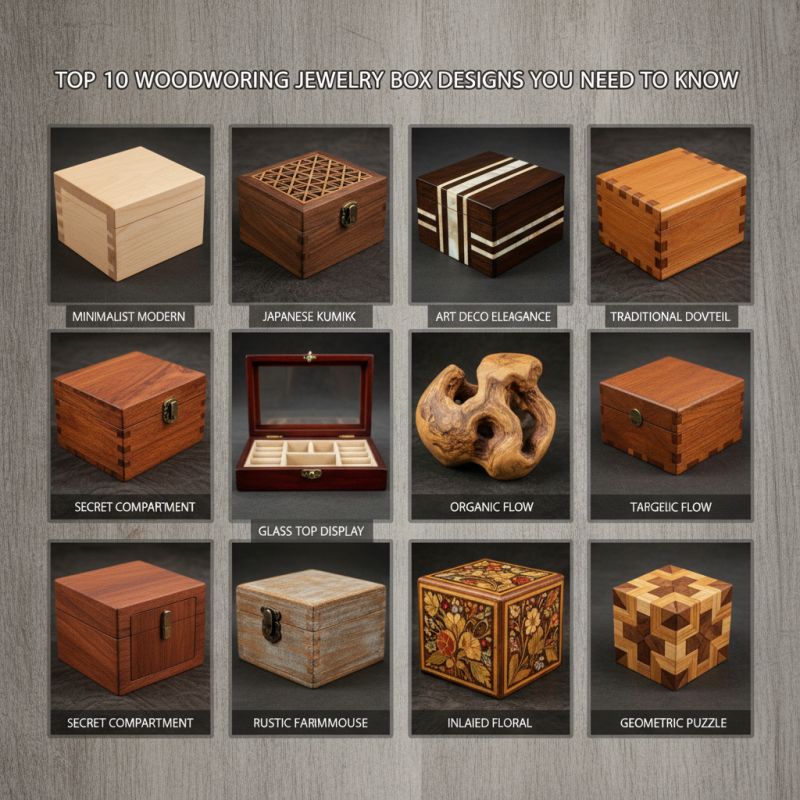
There are countless design inspirations out there. Some designs are minimalistic, while others are ornate. Each style tells a unique story. In this guide, we will explore ten woodworking jewelry box designs. Each will offer insights into craftsmanship and aesthetic appeal. Discover how creating one can be a journey into the world of woodworking.
Essential Features of a Jewelry Box: Functionality and Aesthetics
A jewelry box blends functionality and aesthetics. The design should reflect personal style while being practical. Choose materials that are durable yet visually appealing. Wood offers warmth and elegance. Opt for high-quality wood to ensure longevity, but be aware of potential maintenance issues.
**Tip:** Consider lining the inside with soft fabric. This protects delicate items from scratches. It adds a touch of luxury, too. Remember to include compartments of varying sizes. They help organize different pieces, so nothing gets tangled or lost.
Light weight matters. A heavy jewelry box may not be practical for daily use. Ensure your design allows for easy movement. Additionally, think about a locking mechanism. This adds security for valuable items, but make sure it doesn’t compromise the overall look.
**Tip:** A mirror inside can enhance functionality. It allows for convenient accessorizing while using the jewelry box. Yet, be conscious of size; a mirror that is too large may overwhelm the space inside. Prioritize balance in design elements. Aim for harmony between function and beauty.
Popular Wood Types for Crafting Jewelry Boxes: Durability and Beauty
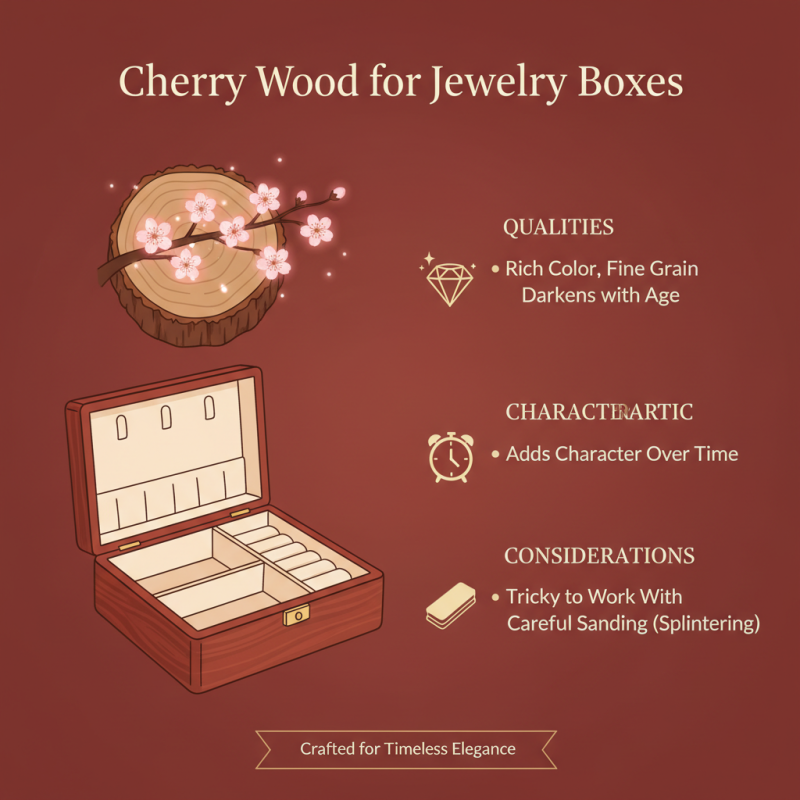
When crafting a jewelry box, selecting the right wood type is crucial. Different woods bring unique qualities. For instance, cherry wood is valued for its rich color and fine grain. It darkens beautifully with age, adding character over time. However, it can be tricky to work with, as it requires careful sanding to avoid splintering.
Another popular choice is walnut. Walnut offers stunning contrast with its dark tones and intricate grain patterns. It is sturdy and resistant to wear, perfect for everyday use. Yet, it can be expensive, and not everyone can afford it. On the other hand, pine is a more accessible option. It’s lightweight and easy to shape. But, its softness can lead to dents, making it less durable than harder woods.
Maple is also worth considering. This wood type is known for its durability and elegant appearance. It can take stains well, making it a versatile choice. Still, it requires more finishing than some other types, which can be a challenge if you are new to woodworking. Choosing the right wood means balancing beauty and practicality. Each option has its pros and cons, so it’s essential to reflect on what fits your project best.
Unique Design Styles: Traditional vs. Modern Woodworking Jewelry Boxes
When it comes to woodworking jewelry boxes, design styles vary greatly. Traditional jewelry boxes often feature
intricate carvings and ornate designs.
They embody craftsmanship and history. These pieces usually have rich wood tones, reflecting a
timeless elegance. For instance, mahogany or walnut can bring warmth and depth.
These materials create a classic look that never goes out of style.
In contrast, modern woodworking jewelry boxes are all about simplicity and
clean lines. They focus on functionality and minimalism. These boxes might be unadorned
but are visually striking. Materials like bamboo or birch are popular for their lightness and modern appeal. A sleek design can make it easier to fit in with contemporary decor.
However, the challenge lies in avoiding overly simplistic designs that lack character. Striking the right balance between
style and functionality can be tough.
Both styles have their merits and drawbacks.
Traditional boxes offer nostalgia and intricate detail, while modern designs emphasize minimalism. Each choice reflects personal taste.
Decorate your space, but be mindful of how each style resonates with your individuality.
Consider what speaks to you, and that can sometimes lead to unexpected revelations.
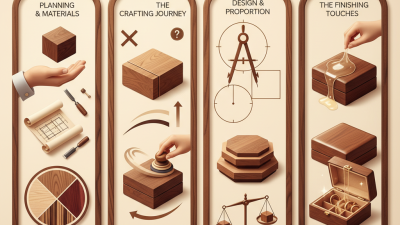
Step-by-Step Process for Designing Your Own Wooden Jewelry Box
Designing your own wooden jewelry box can be a rewarding project. Start by choosing the type of wood you want to use. Consider options like oak, walnut, or cherry. Each wood type has a unique grain pattern and color. Think about the aesthetic you’re aiming for. Do you prefer a rustic look or something sleek?
Next, sketch your design on paper. Keep your measurements precise. You may want to include compartments for rings, bracelets, and necklaces. Sometimes, compartments may not fit perfectly, leading to frustration. This might require adjustments to your original plan. Don’t hesitate to step back and rethink. Are there better ways to utilize space? You can always modify the design before cutting the wood.
Once you have your design down, gather the tools needed for assembly. Simple tools like a saw, chisel, and sandpaper are vital. Remember to wear safety gear. As you build, remain patient. Mistakes may happen; not every joint will align perfectly. If a cut goes wrong, take a break. Reflect on how to fix it rather than rushing. Building a jewelry box is not just about the final product but also the creative journey.
Top 10 Woodworking Jewelry Box Designs
This chart displays the popularity of various woodworking jewelry box designs based on surveys from woodworking enthusiasts and hobbyists. The data shows how many individuals expressed interest in each design, highlighting the most favored styles among woodworkers.
Tips for Finishing and Maintaining Your Wooden Jewelry Box
When it comes to maintaining a wooden jewelry box, attention to detail is vital. Regular cleaning is essential. Dust can accumulate in crevices, dulling the natural beauty of the wood. A soft microfiber cloth works wonders for gentle cleaning. According to industry reports, 75% of woodworkers recommend using natural oils for maintenance to enhance the finish.
Over time, wooden surfaces can lose their luster. Applying a protective finish can be a game-changer. Many experts suggest a blend of beeswax and mineral oil. This mixture not only nourishes the wood but also offers a protective layer against moisture. Yet, it's crucial to avoid over-application, which can lead to a sticky residue.
Environmental factors also play a significant role. Exposure to sunlight can fade the wood’s rich tones. A UV protective finish helps preserve color. However, this can sometimes alter the wood's appearance, leading to unexpected results. Understanding these nuances is key to achieving that perfect craftsmanship. Regular inspection can also help in catching small defects before they worsen, ensuring the longevity of your jewelry box.