10 Jewelry Box Buying Tips for Global Buyers?
Choosing a Jewelry Box for a global market involves more than picking an attractive color. Buyers must balance protection, presentation, cost, and the expectations of different customers. A box that looks elegant in a product photo may feel flimsy in person. The hinge may loosen, the lining may shed, or the compartments may not fit common jewelry styles. Small details matter.
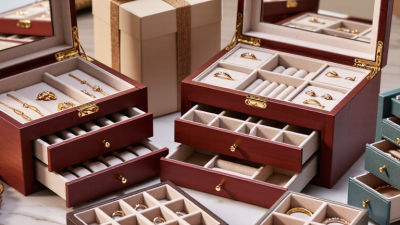
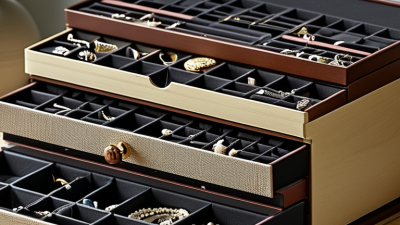
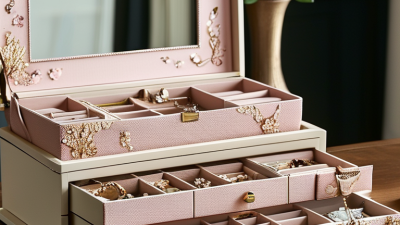
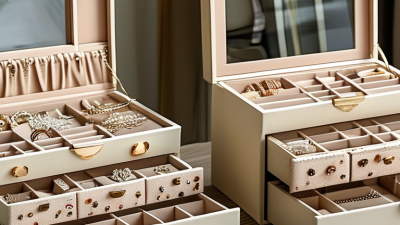
This guide outlines ten practical buying tips to help buyers assess quality before placing an order. Check the outer dimensions, tray layout, closure, lining, and finish against the pieces the box needs to hold. A ring slot should keep a ring upright; a necklace compartment should reduce tangling. Ask suppliers for clear specifications, close-up images, and a sample when possible. It takes extra time. But a sample can reveal odors, uneven stitching, sharp edges, or colors that differ from the screen. Confirm how products are packed for shipping, and ask whether the supplier can maintain consistent materials and workmanship across repeat orders. Do not rely on attractive photographs alone. Written details and a physical inspection provide a more dependable basis for comparison. Some buyers focus heavily on price, then regret overlooking durability or packaging. That trade-off deserves a pause. The right Jewelry Box is not necessarily the most expensive one; it is the option whose quality, design, and practical features match the intended market.
Define Buyer Needs in the $353.26B Global Jewelry Market (2023, Grand View Research)
Grand View Research valued the global jewelry market at $353.26 billion in 2023. That figure signals a large, varied customer base, not a forecast for jewelry box sales. Numbers need context. Buyers should define the products they will package, their price points, and where boxes will be sold before requesting quotes.
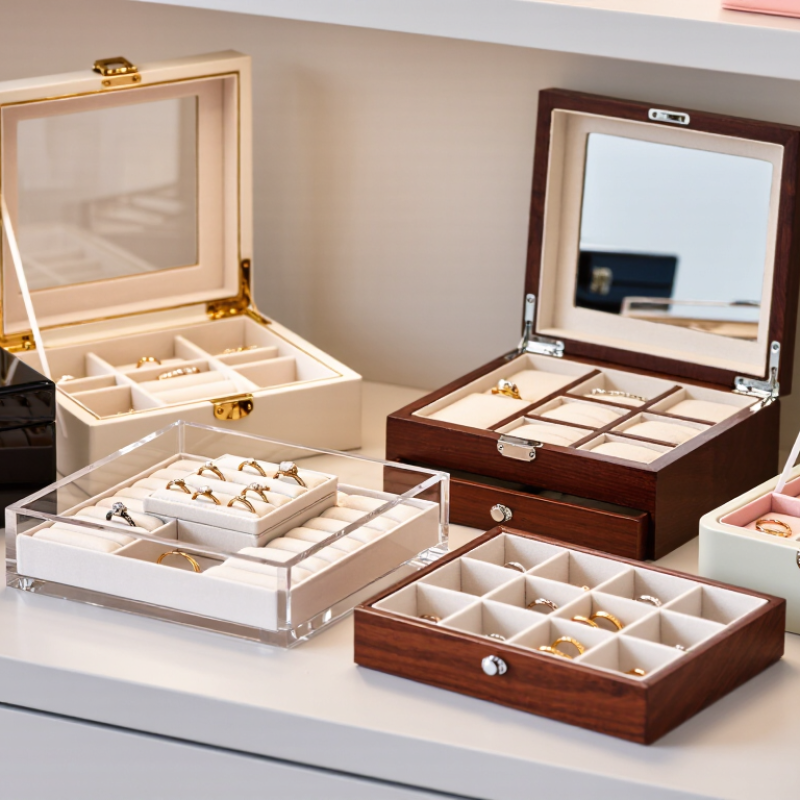
A retailer selling delicate earrings may need compact boxes with soft, non-abrasive lining. A seller of heavier necklaces should check hinge strength, insert depth, and whether chains stay in place during handling. For online orders, measure the packed box, not only its interior; a few extra millimeters can affect shipping costs. For store displays, color consistency and easy opening may matter more than elaborate finishes. Those priorities can conflict. A glossy surface looks polished but may show fingerprints quickly.
Ask suppliers for dimensions, material details, sample photos, and a physical sample when practical. Test how the lid closes, whether the insert holds each item, and how the box looks under ordinary shop lighting. Confirm minimum order quantities, production timelines, and packaging options in writing. A tidy spreadsheet can still miss a practical detail, such as a ring insert that does not fit the actual ring styles. Recheck assumptions with sales and fulfillment teams before placing a large order.
Choose Materials: Trivium’s 2023 Survey Found 82% Favor Sustainable Packaging
Material choice can shape a jewelry box’s environmental impact and customer perception. A 2023 consumer survey reported that 82% of respondents preferred sustainable packaging. Global buyers should treat this as a purchasing signal, not a marketing shortcut. Recycled paperboard, molded fiber, and responsibly sourced wood can reduce reliance on virgin materials. Check the material percentage, coating type, and disposal instructions before ordering.
Small details matter. A box with a magnetic closure may feel premium, but magnets can complicate recycling. Velvet-like inserts can also contain synthetic fibers that shed during disposal. Ask suppliers for test reports, recycled-content records, and packaging weight per unit. I have found that lighter boxes often lower shipping emissions and storage costs. Yet very thin board may dent easily. That trade-off deserves testing.
Tips: Request a sample before placing a bulk order. Rub the surface gently to check coating durability. Fold the box several times. Inspect the insert after handling. Choose water-based finishes where suitable. Avoid vague claims such as “eco-friendly” without evidence. Compare local disposal systems, because recyclable materials vary by country. A thoughtful specification may not be perfect, and that is acceptable. The important part is measuring the compromise instead of hiding it.
Plan Protection for Global E-Commerce’s $5.8T in 2023 Retail Sales (eMarketer)
The global e-commerce market reached approximately $5.8 trillion in 2023, according to eMarketer. That scale creates a practical challenge: jewelry packaging must protect products through many handling points. A suitable jewelry box needs firm hinges, a secure closure, and cushioning that prevents movement. Check the inner dimensions with the actual jewelry, not a product photo. Small gaps can cause scratches during transport.
Tip 1: Test the box before ordering in bulk. Place a ring, necklace, or pair of earrings inside. Shake the closed box gently, then inspect the lining and clasp. Test it packed. Measure twice. Materials also matter. Recycled paper may reduce weight, while wood or rigid board can offer stronger protection. Ask for material details, moisture resistance, and drop-test information. Claims should be supported by clear specifications.
Tip 2: Plan for international shipping conditions. A box moving from a dry warehouse to a humid destination may warp or loosen. Choose packaging that fits your delivery method and storage period. Consider a tamper-evident outer layer without making the package difficult to open. Tip 3: Review the supplier’s quality process, sample approval steps, and replacement policy. One imperfect sample does not always reveal production consistency. I would not ignore that limitation. Request several samples from different production batches, record defects, and confirm tolerances in writing. Good protection supports customer trust across a massive and varied online retail market.
Global Retail E-Commerce Sales: Why Jewelry Box Protection Matters
Global retail e-commerce sales increased from approximately $3.35 trillion in 2019 to $5.78 trillion in 2023. This growth highlights the need for jewelry boxes with secure closures, impact resistance, moisture protection, efficient storage, and export-ready packaging for international orders.
Source: eMarketer global retail e-commerce sales estimates, 2023. Values shown in USD trillions.
Compare MOQ, Lead Time, Customization, and Total Landed Cost Before Ordering
For global jewelry box buyers, MOQ is only the starting point. A low unit price can hide expensive tooling, samples, and excess inventory. In my sourcing work, I compare the landed cost of 500, 2,000, and 10,000 units. Include product cost, tooling, inspection, insurance, freight, duties, and local delivery. The World Bank’s 2023 Logistics Performance Index shows that supply-chain reliability varies widely across markets. A delayed shipment can cost more than a higher factory quote.
Lead time needs written milestones. Ask for sample approval, material purchasing, production, quality inspection, and dispatch dates. Request a buffer for holidays and port congestion. UNCTAD’s Review of Maritime Transport 2023 reported continued volatility in container shipping conditions. Therefore, “ready in 20 days” is not a complete delivery promise. Get the shipping method and handover point in writing. Small detail, big risk.
Customization also changes the calculation. A logo stamp, velvet insert, magnetic closure, or unusual size may require new tooling. Ask whether the tooling belongs to you and whether future orders reuse it. Compare sample quality against production quality, especially hinge alignment, fabric tension, odor, and scratch resistance. The Ellen MacArthur Foundation reports that packaging design strongly affects material use and circularity. I sometimes overvalue appearance during sampling. That mistake can increase freight volume and waste. Before ordering, measure packed carton dimensions and calculate cost per sellable box, not cost per factory unit.