10 Jewelry Organizer Tips for Global Buyers?
Buying jewelry across borders brings beautiful variety, but it also creates storage challenges. A Jewelry Organizer must protect delicate pieces, support different lifestyles, and fit changing home environments. A velvet tray that works in London may struggle in a humid coastal apartment. Small details matter.
Marie Kondo, a globally recognized organizing consultant, says, “The true purpose of storage is to give every item a home.” This principle shapes the guide’s ten practical tips for global buyers. The recommendations examine compartment size, material quality, visibility, portability, and everyday access. They also consider necklaces that tangle, earrings that disappear, and rings that scratch inside crowded drawers. Keep it simple.
A well-designed Jewelry Organizer should make ownership easier, not create another task. Look for smooth lining, secure closures, strong hinges, and flexible sections. Buyers should measure their available space before choosing a case. They should also consider travel habits, collection size, and room temperature. Some products look elegant online but feel unstable after repeated use. That deserves attention.
The guide will compare stackable trays, compact travel cases, drawer inserts, and display-style organizers. It will also question common habits, such as storing every piece together for convenience. Convenience can become damage. No system stays perfect. Dust gathers, collections grow, and routines change. That is uncomfortable, but useful. The best choice is not always the largest organizer. It is the one that keeps valuable pieces visible, protected, and easy to return after wear.
Define Your Jewelry Storage Needs by Collection Size and Item Type
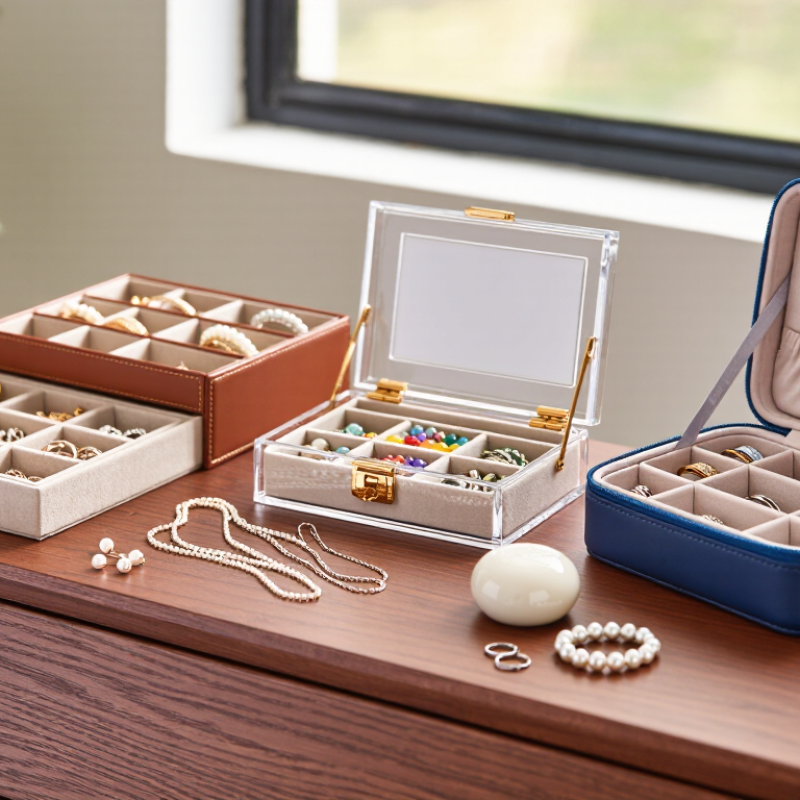
Before choosing a jewelry organizer, define your collection by quantity and item type. A small collection of 10–20 pieces may need a compact tray with ring rolls and divided earring slots. Larger collections require drawers, labels, and adjustable compartments. In practical storage checks, necklaces usually create the greatest risk because chains tangle quickly. Rings need soft, separated channels. Bracelets need wider sections, while watches require deeper spaces and stable cushions.
Material value also matters. The World Gold Council reported 1,877.1 tonnes of jewelry gold demand in 2024, showing how widely valuable metal pieces are stored worldwide. For high-value collections, use padded interiors, dust protection, and discreet organization.
The Knot’s 2023 Jewelry & Engagement Study reported an average engagement-ring spend of about 5,500 dollars in the United States. That price deserves better than a loose pouch.
Collection growth should influence the design. McKinsey’s jewelry industry report projected annual market growth of roughly 5–6% through 2025. Buy slightly beyond today’s capacity. Not too much. A huge organizer wastes space and hides frequently worn pieces. For humid regions, add silica gel and avoid unsealed wood near delicate metals. I once favored appearance over access, and the result was predictable: beautiful compartments, rarely used. Measure your longest necklace, widest bracelet, and tallest box before ordering. Then test whether daily items can be removed with one hand.
Compare Compartments, Security Features, and Space-Saving Designs
10 Jewelry Organizer Tips for Global Buyers?
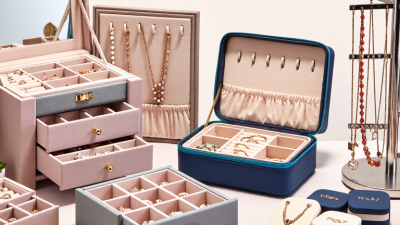
For global buyers, judge a jewelry organizer by access, security, and footprint. Grand View Research valued the global jewelry market at approximately $353.26 billion in 2023. More jewelry requires better control. Start with compartments. Small velvet-lined sections protect rings and earrings from scratches. Longer slots prevent necklaces from tangling. Adjustable dividers accommodate watches, bracelets, and irregular pieces. However, excessive compartments can waste space. Measure your collection first.
Security needs practical layers. Choose a rigid case, concealed zipper, and a lockable section for valuable items. Verizon’s 2024 Data Breach Investigations Report found that the human element appeared in 68% of breaches. Although this concerns digital security, the lesson also applies at home: reduce casual access. Keep an inventory with photographs and purchase records. A lock is not a vault. Store the organizer discreetly, especially during travel.
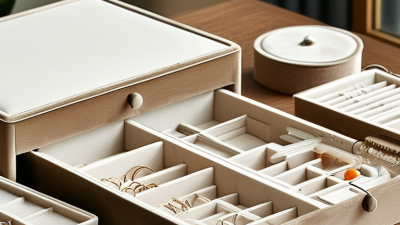
Space-saving designs work best when they remain usable. Vertical drawers, stackable trays, and hanging panels free valuable surface area. Check the organizer’s open dimensions, not only its folded size. A compact case may become awkward beside a mirror. Euromonitor International’s 2024 home and living research highlights continuing demand for multifunctional products in urban homes. I still prefer fewer, deeper compartments over a crowded grid. It is less perfect, but daily access improves. Test the closure, divider strength, and lining before buying several units.
Evaluate Portability, Maintenance, and Compatibility with Different Jewelry
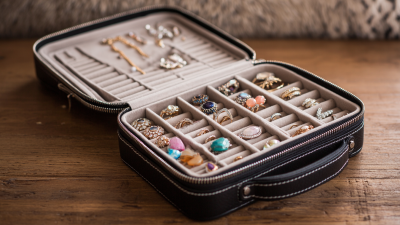
For global buyers, a jewelry organizer should travel easily without sacrificing protection. Grand View Research valued the global jewelry market at approximately USD 353 billion in 2023. This scale reflects diverse jewelry sizes, materials, and purchasing habits. Measure twice. A compact organizer needs flexible compartments for rings, chains, earrings, watches, and small pendants. Look for secure zippers, reinforced handles, and lightweight construction. A flat design can fit inside luggage, while padded sections reduce movement during transit.
Maintenance is equally important. Jewelry can collect dust, skin oils, and moisture, especially in humid climates. Choose removable inserts and washable surfaces. Avoid rough fabrics that may scratch polished metal or delicate stones. The organizer should dry completely after cleaning. Small details matter. IBM’s Institute for Business Value reported that 57% of surveyed consumers were willing to change purchasing habits to reduce environmental impact. Durable materials, replaceable dividers, and repairable stitching can therefore support longer use and reduce waste.
Compatibility requires practical testing, not attractive photographs. Check whether earring posts fit securely and whether necklace hooks prevent tangling. Test the organizer with both thin chains and larger bracelets. Magnetic closures may affect some items, so buyers should inspect the closure design carefully. I still make one mistake: judging capacity by external dimensions alone. Internal depth matters more. A useful test is simple—pack your largest jewelry piece, close the organizer, and shake it gently. If pieces shift, the layout needs improvement.