Leave Your Message

Why Choose a Jewellery Box for Global Buyers?

For global buyers, a Jewellery Box is more than attractive packaging. It protects valuable pieces, supports brand presentation, and helps customers store jewellery safely at home. A well-designed box can reduce scratches, tangled chains, moisture exposure, and unnecessary handling during transport. These practical benefits matter to retailers, wholesalers, and private buyers in different markets.

Experienced buyers usually examine materials, hinges, lining, closures, and production consistency. Soft velvet or microfiber interiors can protect polished surfaces, while firm structures help maintain shape during shipping. Reliable suppliers should explain material specifications, quality checks, packaging methods, and expected production timelines. Clear communication builds trust, especially when orders cross borders. Product photographs are useful, but they cannot replace samples. A clasp may look strong online and feel weak in person. That detail matters.

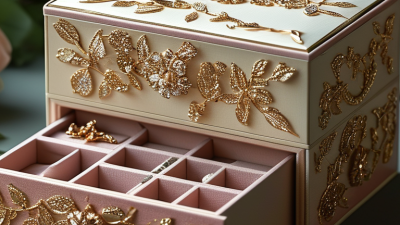
A Jewellery Box can also strengthen a brand’s identity. Custom colours, logos, compartments, and sustainable materials create a more memorable unboxing experience. However, more features do not always mean better value. A heavy box may increase shipping costs, and excessive decoration can reduce everyday convenience. Buyer preferences also differ across regions, so one design rarely suits everyone. Careful testing, honest supplier information, and feedback from real customers support better decisions. The best choice balances protection, appearance, cost, and responsible production. It may not be perfect. It should be dependable.
Why Choose a Jewellery Box for Global Buyers?

What Is a Jewellery Box and What Purpose Does It Serve?

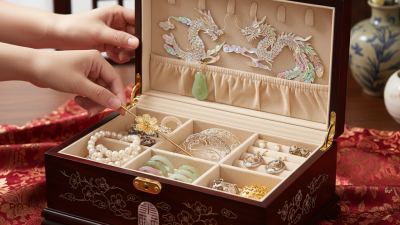
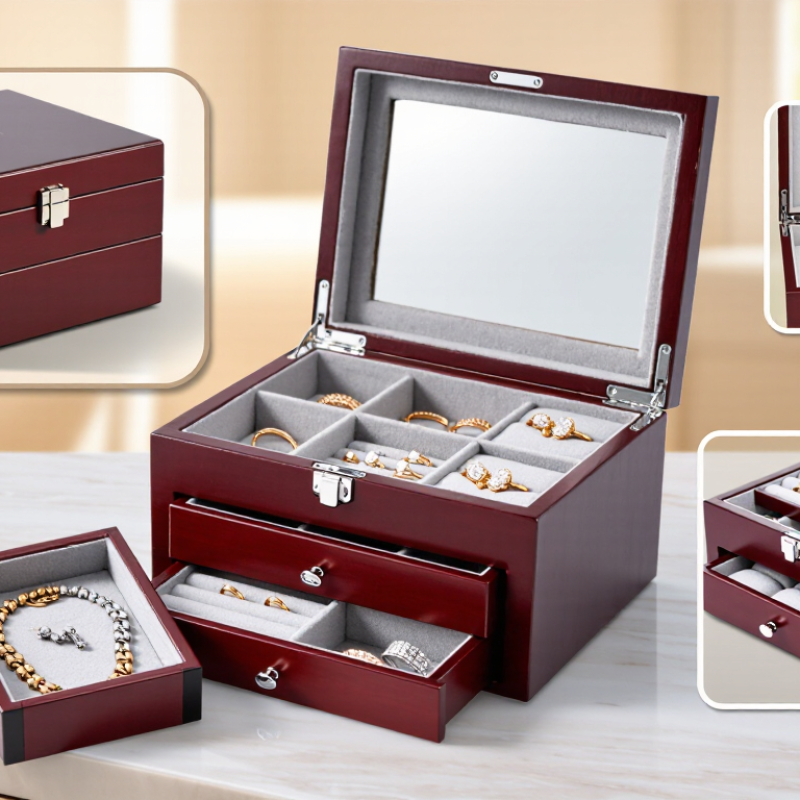
A jewellery box is a protective storage container designed for rings, earrings, necklaces, and other small ornaments. It usually includes compartments, soft lining, and secure closures. These features reduce scratches, tangles, dust, and accidental loss. A well-made box may use velvet, cotton, leather alternatives, wood, or durable recycled materials. The best choice depends on the jewellery, climate, travel habits, and available space.

From practical experience, separate sections make a noticeable difference. A ring placed beside a long chain can create a frustrating knot overnight. Small cushions hold earrings firmly, while necklace hooks keep chains hanging straight. A fitted mirror can help with daily dressing, but it is not essential.

Some boxes also include a lock, although a lock alone does not guarantee complete security. Buyers should inspect the hinges, stitching, lining, and closure before purchasing.

For global buyers, jewellery boxes serve more than a decorative purpose. They organize valuable personal items during storage, relocation, or travel. In humid regions, ventilation and moisture-resistant materials deserve attention. However, excessive moisture protection can sometimes trap dampness inside. That detail is easy to overlook. Compact boxes suit occasional users, while larger organizers support regular collections. Clear labeling and removable dividers can also improve accessibility, especially when jewellery styles and sizes vary. A jewellery box protects better when its design matches real daily use, not just attractive photographs.
Why Jewellery Boxes Matter to Buyers in Different Markets

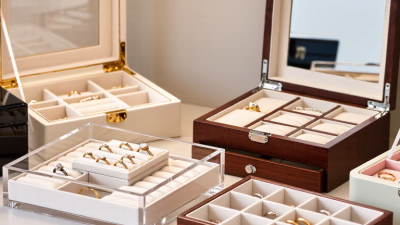
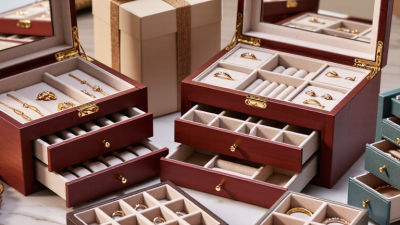
A jewellery box is more than protective packaging. It shapes how buyers handle, store, and present an item. In humid coastal markets, moisture-resistant lining can help prevent surface damage. In colder regions, strong hinges and stable materials matter during temperature changes. A rigid box also reduces movement inside shipping cartons. Practical checks remain essential, including drop tests, shake tests, and repeated hinge inspections. Looks are not enough.

Buyer expectations vary across markets. Some customers prefer compact boxes for small homes and easy storage. Others expect generous presentation for weddings, anniversaries, or seasonal gifting. Colour preferences can also differ. Soft neutral tones may feel widely acceptable, but they can appear ordinary in markets seeking stronger visual identity. A truly universal design is often a compromise. That is worth admitting.

Sustainability affects purchasing decisions too. Paper-based materials may reduce plastic use, but environmental claims need clear documentation. Recycled content does not automatically mean lower impact. Production methods, transport distance, and durability also matter. Buyers should examine the full packaging process, not only the outer material. A reliable box should open smoothly, close securely, and hold the jewellery without movement. Small flaws often reveal larger problems. A slightly uneven insert, for example, may suggest weak quality control elsewhere.

Which Jewellery Box Types Suit Different Jewellery Collections?

Choosing the right jewellery box depends on the collection, not only its appearance. A small compartment box suits everyday pieces, such as earrings, rings, and simple bracelets. Removable dividers keep items visible and reduce contact between metals. This layout works well for buyers who travel often or own a modest collection. It can feel limiting when larger pieces are added.

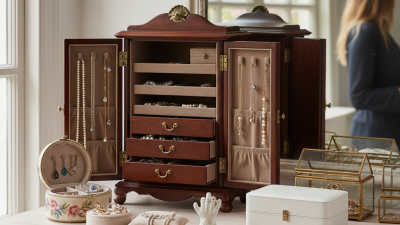
Necklace collections need a different design. A box with hooks, vertical slots, and a soft lower compartment helps prevent chains from tangling. Wide, shallow trays suit brooches, watches, and statement jewellery. They allow each piece to lie flat without pressing against another item.

For valuable or delicate jewellery, choose smooth, non-abrasive lining and firm hinges. Avoid rough fabric.

Collectors with many pieces may prefer a modular jewellery cabinet. Stackable trays make sorting easier by material, colour, or wearing occasion. A drawer for cleaning cloths can be useful, but storing damp items inside is unwise. Moisture may encourage tarnishing over time, especially in humid climates. I have found that clear sections improve daily use, although they can expose jewellery to more light. A covered box offers better privacy and dust protection. Lockable storage may add reassurance, but the lock itself does not replace sensible home security. The best choice leaves enough space for future pieces. Oversized boxes often waste room; cramped boxes cause careless handling.

What Materials and Features Define a Quality Jewellery Box?

A quality jewellery box begins with material discipline, not decoration. Rigid recycled paperboard offers stable walls and a premium feel. FSC-certified paper can support responsible sourcing, while cotton, microfiber, or untreated wood protects polished surfaces from scratches. However, “natural” does not always mean safer. Some untreated materials absorb moisture and may encourage tarnishing.

The Circularity Gap Report 2024 states that only 7.2% of global material use is circular. That figure makes recycled fibres and replaceable components commercially important. The IBM Institute for Business Value’s 2020 survey of over 18,000 consumers found that 57% were willing to change purchasing habits to reduce environmental impact. Global buyers therefore examine more than colour and shine. They may ask about recycled content, material traceability, and disposal instructions.

Practical features define daily value. A soft, lint-free lining should hold rings firmly without pressure marks. Adjustable slots can separate earrings, chains, and bracelets during shipment. Strong hinges, magnetic closures, and reinforced corners reduce damage from repeated handling. Small ventilation gaps can help manage trapped humidity, but they need careful design. I have seen attractive boxes fail because their inserts moved inside. A luxury finish cannot repair poor internal fit. Clear dimensions, weight data, and abrasion testing also help buyers compare suppliers with confidence.

Why Choose a Jewellery Box for Global Buyers?

What Materials and Features Define a Quality Jewellery Box?

Protective lining

Soft velvet, microfiber, or cotton lining helps reduce scratches and keeps jewellery separated.

Functional organization

Dedicated slots, ring rolls, hooks, and compartments help prevent tangling during storage and transport.

Long-term protection

A sturdy structure, reliable closure, and moisture-resistant construction support safer everyday use.

Chart values show representative material density in g/cm³: hardwood 0.60–0.90, ABS 1.04–1.07, acrylic 1.17–1.20, and stainless steel 7.7–8.0. Actual values vary by grade and construction.

How Can Global Buyers Choose and Source the Right Jewellery Box?

Global buyers need more than a beautiful jewellery box. They need a reliable sourcing decision. Grand View Research valued the global jewellery market at approximately USD 356 billion in 2023. This scale increases demand for packaging that protects products during long-distance handling. Start with the jewellery dimensions, weight, surface finish, and display purpose. A ring box needs different cushioning from a necklace case. Measure twice.

Ask suppliers for material specifications, sample photos, and a physical pre-production sample. Check hinge strength, lining adhesion, odour, colour consistency, and closure performance. Small defects become expensive when thousands of units arrive. The Smithers report, The Future of Sustainable Packaging to 2029, identifies growing pressure for recyclable and lower-impact packaging. Therefore, buyers should request material composition, recycled content, and disposal guidance. These documents are more useful than vague environmental claims.

Cost comparisons must include tooling, inserts, printing, packaging, freight, and inspection. Request a clear quotation based on the same specifications. Confirm minimum order quantity, lead time, replacement policy, and quality tolerances in writing. FSC-certified paper may support responsible forestry claims, but certification should be verified through valid documentation. It is not enough to print a green symbol. Buyers should also test packaging in realistic conditions, including vibration, humidity, and repeated opening. A common mistake is choosing appearance before protection. Another is trusting the first sample too quickly. Reliable sourcing requires patience, measurable standards, and room to revise the design.

Why Choose a Jewellery Box for Global Buyers? - How Can Global Buyers Choose and Source the Right Jewellery Box?

Jewellery Box Type Typical Materials Protection Level Weight and Shipping Impact Sustainability Considerations Suitable Applications Key Sourcing Checks
Paperboard Folding Box Paperboard, printed paper, paper or foam insert Basic protection against scratches and dust; limited resistance to crushing and moisture Very light and normally efficient for international parcel shipping Paper components are widely recyclable when free from non-paper laminates and mixed-material inserts Promotional jewellery, fast-moving retail items, lightweight packaging sets Board thickness, crease quality, print rub resistance, insert fit, flat-pack efficiency
Rigid Paperboard Box Rigid-wrapped paperboard, paper covering, textile or foam insert Higher compression resistance and improved presentation compared with folding boxes Light to moderate weight; shipping volume is higher because the box is usually supplied assembled Can be recyclable if coverings, magnets, foams and other components are designed for separation Retail jewellery, gifting, seasonal collections and premium presentation Corner strength, lid alignment, surface durability, insert retention and packaging protection during transit
MDF or Wood Box MDF, plywood or solid wood with veneer, paint, paper or fabric finish Good structural protection and suitable for repeated household use Moderate to heavy; increases freight weight and may require stronger outer cartons Wood-based products should be sourced with documented legal and responsible forestry evidence where required Long-term storage, gift sets, jewellery collections and reusable home organisation Wood moisture control, surface coating safety, hinge durability, odour, pest treatment and export documentation
Synthetic Leather Box Textile-covered board, PU or PVC surface, foam or textile lining Good protection when combined with a rigid inner structure; surface can resist light splashes depending on coating Light to moderate; usually more compact than wooden alternatives of similar capacity Synthetic coatings are not normally biodegradable; mixed-material construction can make recycling difficult Fashion-led collections, travel cases, gift packaging and coordinated accessory ranges Surface abrasion, peeling, colour transfer, formaldehyde or restricted-substance testing, lining quality
Plastic Travel Case PP, ABS or other moulded plastics with fabric, foam or silicone elements Good resistance to impact, moisture and repeated travel when correctly designed Light to moderate; moulded construction can provide efficient protection per unit of weight Recyclability depends on polymer type, additives and whether lining, hinges and hardware can be removed Travel jewellery, compact storage, e-commerce fulfilment and humid environments Plastic identification, hinge-cycle testing, odour, closure security, dimensional accuracy and restricted substances
Metal Jewellery Case Aluminium, steel or zinc alloy with textile, foam or plastic lining High impact resistance; suitable for secure storage when fitted with a reliable closure Moderate to heavy; may increase freight cost and handling requirements Metal can be recycled through established material-recovery systems, but coatings and mixed inserts must be considered Protective travel storage, high-value items, display cases and long-service applications Corrosion resistance, edge safety, coating adhesion, latch strength, lining compatibility and carton protection
Global Buyer Sourcing Checklist: Confirm finished dimensions and weight, material composition, insert configuration, product testing, packaging drop performance, export carton details, applicable customs classification, destination-market chemical requirements, production lead time, inspection procedures and shipping terms before placing a purchase order.