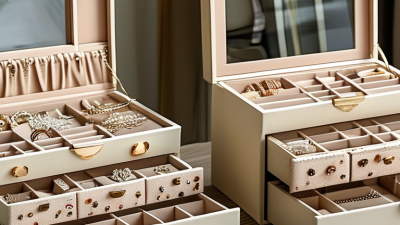
How to Choose the Best Jewelry Box for Women?
Choosing the best jewelry box for women requires more than matching a room’s decoration. It means protecting valuable pieces from friction, humidity, dust, and careless storage. A delicate chain can knot overnight. Pearls can lose their luster when stored beside rough metal. A practical box should therefore combine soft lining, stable compartments, ring rolls, and secure closures.
Industry data supports the need for thoughtful jewelry care. The World Gold Council’s Gold Demand Trends 2024 report recorded strong global jewelry demand, showing how widely fine jewelry remains valued. The State of Fashion 2025 report by The Business of Fashion and McKinsey also identifies jewelry as a resilient fashion category. These reports do not choose a storage box for us, but they highlight a growing need for durable, organized ownership. GIA’s professional education materials also emphasize that different gems require different care, especially regarding abrasion, chemicals, and moisture.
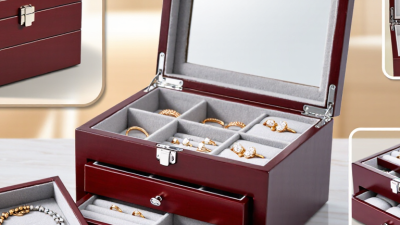
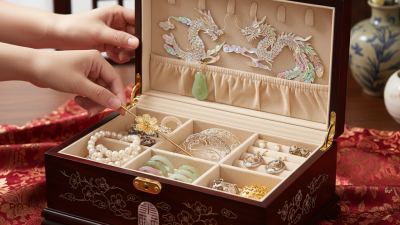
For a Jewelry Box Woman, the right choice depends on her collection and daily habits. A compact velvet case may suit someone with earrings and a few rings. A larger box needs adjustable dividers for necklaces, bracelets, watches, and heirloom pieces. Travel requires a firm shell, individual slots, and a reliable clasp. Anti-tarnish fabric can help silver, but it is not a complete solution. Regular cleaning still matters.
There is no perfect box. Some attractive designs waste space. Some affordable cases use weak hinges. This guide examines materials, layout, security, portability, and long-term value, helping readers choose protection that works beyond the first impression.
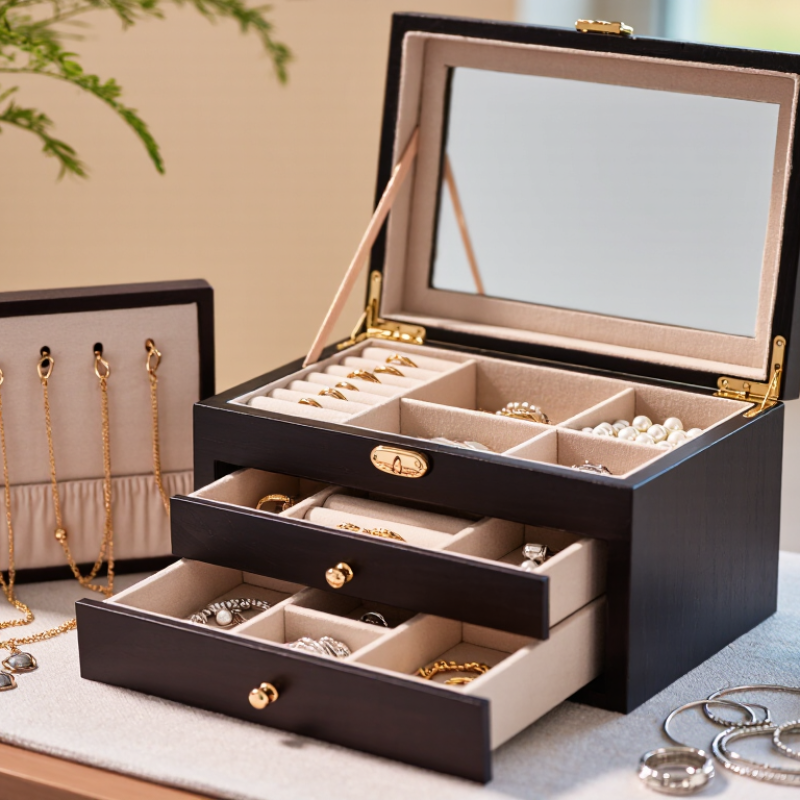
Understanding Jewelry Storage Needs
How to Choose the Best Jewelry Box for Women?
Understanding Jewelry Storage Needs
Jewelry storage needs begin with daily habits, not box appearance. Count earrings, rings, bracelets, watches, and longer necklaces before shopping. A 2023 McKinsey & Company and Business of Fashion report projected jewelry to grow about 5–6% annually through 2028. More jewelry ownership can mean more tangles, scratches, and forgotten pieces. In practical use, a compact box suits light collections, while layered trays support frequent wear. However, bigger is not always better. Empty space can encourage careless stacking.
Material protection matters. Soft, non-abrasive lining helps reduce surface marks on polished metals and stones. Individual ring rolls prevent pieces from rubbing together. Long necklace hooks keep chains suspended instead of buried in a drawer.
Pearls need a soft, breathable pouch because extreme dryness may harm their surface. Silver benefits from anti-tarnish fabric and low-humidity storage. Avoid placing damp jewelry inside immediately. I once underestimated this detail; moisture is easy to ignore and difficult to reverse.
Tips: Measure your drawer first. Choose removable dividers for changing collections. Keep everyday items near the front. Store sentimental pieces separately. Check hinges, stitching, and closure strength before buying. The GIA recommends protecting jewelry from harsh chemicals and impact, so a secure interior matters more than decorative finishes. A small box with thoughtful compartments may serve better than an impressive cabinet.
Comparing Jewelry Box Sizes, Materials, and Designs
Choosing the best jewelry box for women starts with an honest look at her collection. Size matters more than decoration. A small box suits a few rings, earrings, and one necklace. Larger collections need divided drawers, ring rolls, and tall sections for longer chains. Measure the available shelf space before buying. I once chose a beautiful box that could not fit inside my cabinet. It looked elegant, but it was impractical.
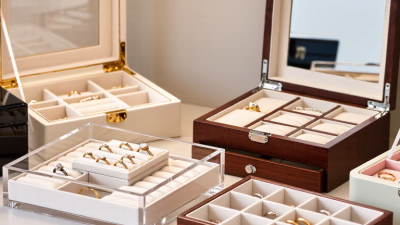
Material affects protection, weight, and maintenance. Soft fabric lining helps reduce scratches on polished surfaces. Wood can feel warm and sturdy, while acrylic makes small items easy to see. Metal cases offer strength, but rough interiors may damage delicate pieces. Check the hinges, stitching, and drawer movement carefully. A strong outer shell is not enough. The lining matters more than many shoppers expect.
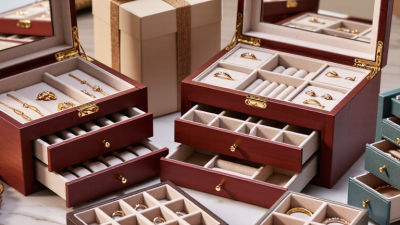
Design should match daily habits. A rotating organizer works well for frequent access. Stackable drawers save space in a crowded bedroom. Travel cases need secure closures and separate compartments, especially for necklaces that tangle easily. A mirror is convenient, but it can reduce storage room. Keep that trade-off in mind. The perfect design may not exist. Choose the box that protects jewelry, fits the room, and makes regular care simple.
Choosing Compartments for Different Jewelry Types
How to Choose the Best Jewelry Box for Women?
Choosing Compartments for Different Jewelry Types
A jewelry box should match your collection, not only your bedroom style. The 2024 De Beers Diamond Insight Report highlights continued demand for diamond jewelry, while the broader jewelry market keeps expanding across materials and designs. This variety makes compartment planning important. Rings need narrow slots with soft cushioning. Earrings need paired sections, so missing backs are easier to notice. Necklaces require longer spaces or individual hooks. Otherwise, chains become a frustrating knot.
Bracelets need wider compartments than rings, especially when they include charms or rigid links. Watches require deeper, padded sections that protect their faces and straps. GIA care guidance also supports separating harder gemstones from softer materials, because contact can cause scratches. The National Retail Federation estimated U.S. consumers would spend 6.4 billion dollars on jewelry for Valentine’s Day in 2024. More purchases can mean more storage problems. I have found that oversized boxes often waste space. Too many tiny compartments can feel equally impractical.
Tips: Count your jewelry before buying. Leave room for future pieces. Choose removable dividers when possible. Keep frequently worn items near the top. Store delicate chains separately. A velvet lining feels luxurious, but it may collect dust. Inspect it occasionally. Also, test the lid and hinges; a beautiful box becomes disappointing when daily access feels awkward.
How to Choose the Best Jewelry Box for Women?
Recommended compartment capacity by jewelry type
A practical jewelry box should provide separate storage for each jewelry type. Ring slots help prevent scratches and keep pairs organized, while divided sections are useful for earrings and bracelets. Longer necklace compartments reduce tangling, and larger open spaces are suitable for watches or statement pieces.
Matching the Jewelry Box to Personal Style and Space
Choosing a jewelry box begins with understanding the woman who will use it.
Her daily habits matter more than decoration. A minimalist dresser may suit a slim case with clean lines and neutral fabric. A collector may need adjustable trays, ring rolls, and necklace hooks. If she dresses quickly, visible compartments can prevent tangled chains and forgotten earrings. I once chose a beautiful shallow box and regretted it. My collection grew faster than expected.
Measure the available space before buying.
Leave enough room to open the lid fully. A small bedside table may suit a vertical box with several drawers. A wide vanity can hold a larger organizer with removable trays.
Keep jewelry away from bathrooms, where humidity may accelerate tarnishing. That detail is easy to miss.
The box should also match the room’s atmosphere. Warm wood may complement a classic bedroom, while smooth fabric may suit a softer, modern interior.
Reliable jewelry storage includes a soft, non-abrasive lining and secure closures.
Separate compartments help prevent metals from rubbing against each other. Pearls and delicate surfaces need extra care, because even small scratches can affect their appearance.
Jewelry-care specialists commonly recommend keeping frequently worn pieces easy to reach, while storing rarely used items in covered sections. A perfect match is not always necessary. Practical access may matter more than visual harmony.